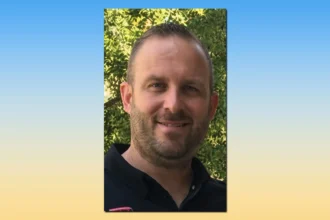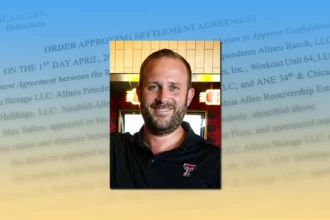



LUBBOCK, Texas — Two men accused of installing card-skimming devices at stores across West Texas face bonds totaling at least $2.7 million each, according to court records cited by EverythingLubbock.com.
Francesco Matei and Iosiv-Roberto Curea are accused of placing a skimmer on a payment terminal at the Walmart Neighborhood Market at 9809 University Avenue, near 98th Street in south Lubbock.
Investigators said the device compromised information belonging to 149 credit and debit cards.
KCBD reported that surveillance video allegedly showed one suspect hiding the device behind a roll of paper towels while the other bought water and gum to distract employees.
A skimmer is a concealed electronic device that captures information stored on a payment card. According to the FBI’s explanation of card skimming, criminals can use the stolen information to manufacture fraudulent cards, make unauthorized purchases or withdraw money from victims’ accounts.
Court records reportedly connected Matei and Curea to a broader Romanian organization suspected of installing skimmers in several Texas cities, including Lubbock, Amarillo, Abilene and San Angelo.
The two men were arrested in Bexar County and later transferred to the Lubbock County Detention Center. Each faces one count of fraudulent use or possession of identifying information and two counts involving the unlawful interception or use of electronic communications, according to the original report.
The suspects are also accused of installing skimming devices in Taylor and Randall counties. Court records showed that each man received a $150,000 bond in Lubbock County, a $2.5 million bond in Taylor County and a $50,000 bond in Randall County. Together, those amounts total at least $2.7 million per defendant.
The West Texas allegations appear to be part of a larger multiagency investigation. A separate report from San Angelo LIVE! identified a third suspect, Sebastian Ionut Stefan Bratu, and said investigators recovered several skimming devices. Authorities estimated that the operation prevented as much as $6 million in potential losses to Texas consumers and businesses.
The criminal charges remain allegations, and the defendants are presumed innocent unless proven guilty in court.
Consumers can reduce their risk by examining payment terminals for loose, damaged or misaligned components and using contactless payment when available. The Federal Trade Commission recommends regularly reviewing bank and credit-card accounts and promptly reporting unauthorized transactions.
Anyone who notices a suspected skimmer on a store terminal or ATM should notify the merchant and local law enforcement. Suspected devices found on fuel pumps can also be reported through the Texas Department of Licensing and Regulation.