

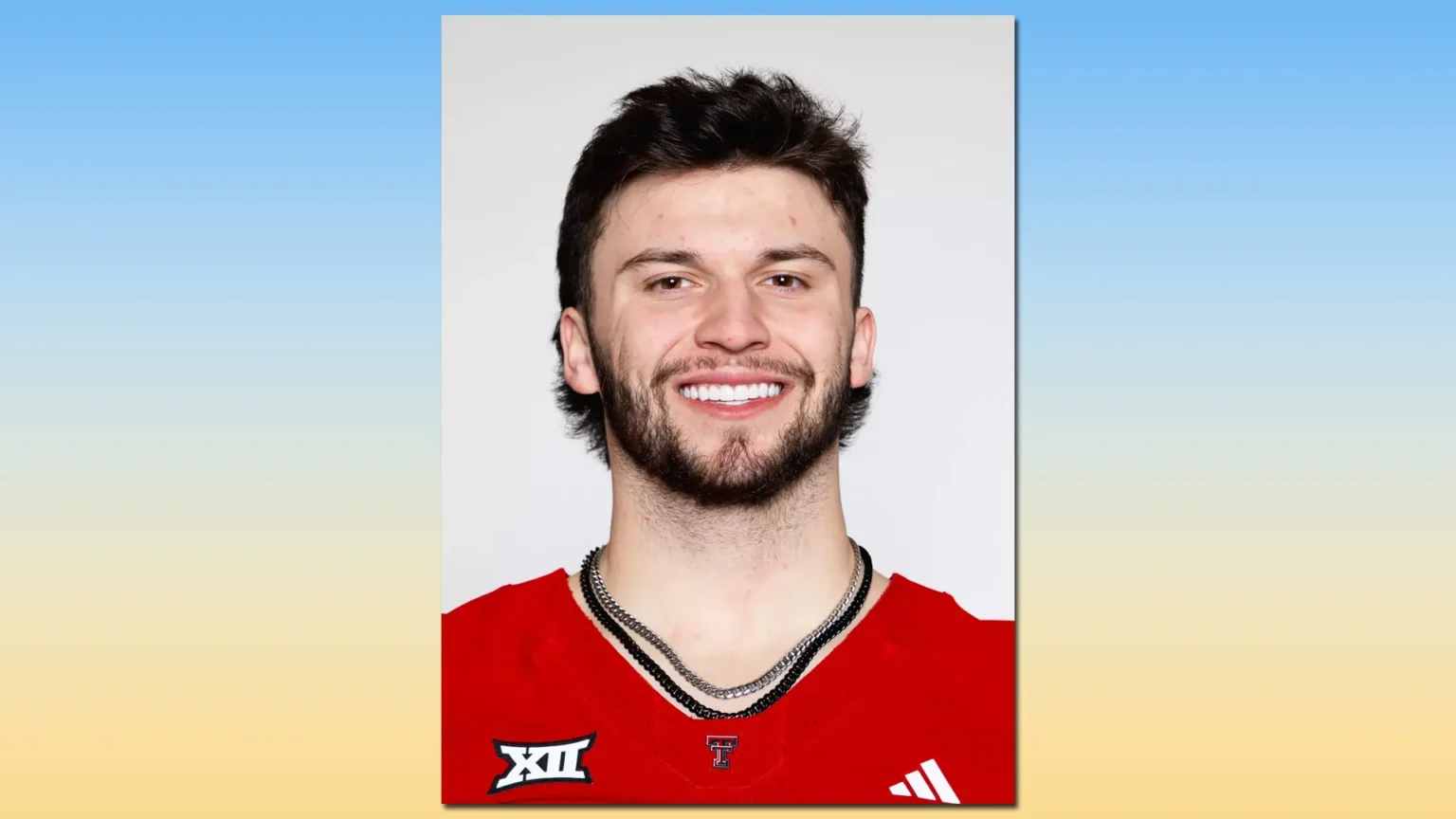
A judge initially cleared Brendan Sorsby to play under strict conditions, but the quarterback later dismissed his lawsuit and was denied entry into an NFL supplemental draft.
LUBBOCK, Texas — A legal fight that briefly restored Brendan Sorsby’s college-football eligibility ultimately ended without the quarterback playing a game for Texas Tech.
Sorsby sued the NCAA after it declared him permanently ineligible for violating sports-wagering rules. His attorneys argued that his conduct resulted from a diagnosed gambling addiction and anxiety disorder, while the NCAA maintained that betting on one’s own team creates an unacceptable threat to competitive integrity.
Visiting Judge Ken Curry initially granted Sorsby a temporary injunction on June 8, preventing the NCAA from blocking him from participating in Texas Tech football during the 2026 season.
But that ruling was only temporary. Texas Tech subsequently informed Sorsby that he would not play for the Red Raiders, and he voluntarily dismissed his lawsuit. The dismissal restored the NCAA’s ineligibility decision and ended Sorsby’s college career.
He then sought entry into the NFL’s supplemental draft. The league declined to hold one, leaving Sorsby unable to enter the NFL until the regular 2027 draft.
NCAA and Sorsby offered competing definitions of fairness
The case followed an NCAA investigation into thousands of wagers Sorsby placed while attending Indiana, Cincinnati and Texas Tech.
Court records showed that he made impermissible wagers totaling at least $90,000, including approximately 40 bets involving Indiana while he was a freshman there in 2022. None of those wagers involved games in which he played for the Hoosiers, according to The Associated Press’ review of the case.
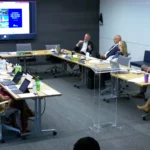
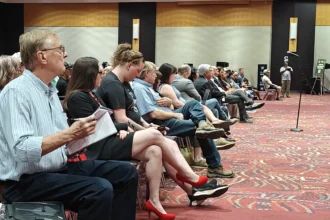
During a June 1 hearing in Lubbock, Sorsby’s attorneys emphasized that he had not bet against Indiana, had not yet dressed for or traveled with the football team when he placed those wagers and had not attempted to manipulate a game.
Attorney Jeffrey Kessler argued that the conduct did not compromise the outcome of any competition. Sorsby’s legal team also maintained that the NCAA should treat his gambling addiction as a mental-health condition requiring treatment rather than impose a career-ending penalty.
The NCAA countered that betting on one’s own team is a clear boundary that student-athletes cannot cross, regardless of whether they participated in the specific games.
Attorney Taylor Askew argued that Sorsby became ineligible when he made the first wager involving Indiana. The NCAA also emphasized that Sorsby did not voluntarily disclose the conduct before investigators learned of it.
The organization’s position reflects its published policy. NCAA members have repeatedly maintained that a student-athlete who wagers on his or her own team should permanently lose remaining eligibility.

Sorsby’s lawyers focused on treatment and irreparable harm
Sorsby entered a residential treatment program after the investigation began. Texas Tech President Lawrence Schovanec said Sorsby completed intensive inpatient treatment for a diagnosed gambling addiction and anxiety disorder.
The university developed a proposed recovery plan that included outpatient care, group and individual therapy, monitoring of Sorsby’s electronic devices, software blocking access to betting sites and oversight of his personal finances. Details were outlined in an official statement from Texas Tech.
Although Texas Tech supported reinstatement, the university was not a party to Sorsby’s lawsuit.
Sorsby’s attorneys argued that preventing him from practicing and competing would cause damage that money could not adequately repair. He had only one remaining college season and faced a June 22 deadline to seek admission to the NFL supplemental draft.
They said he would lose the experience of competing for Texas Tech, developing as a quarterback and potentially pursuing a conference or national championship. Missing the season could also affect his professional prospects and name, image and likeness opportunities.
The NCAA argued that those personal consequences did not justify making an exception to a rule intended to protect confidence in college sports. Its attorneys warned that allowing a player who bet on his own team to compete could harm the association and create unequal treatment for athletes punished under the same policy.
Sorsby’s attorneys also compared his case to that of former Indiana volleyball assistant Brett Agne. The NCAA reported that Agne made more than 700 wagers, including 27 involving Indiana football or men’s basketball, but received a 10-game suspension and a sports-wagering education requirement.
The NCAA responded that Agne did not bet on the team he coached, making his case materially different from Sorsby’s.
Judge imposed treatment and a two-game suspension
Curry took the case after 99th District Judge Phillip Hays recused himself. Following the hearing, Curry found that Sorsby faced “probable, imminent and irreparable injury” if he could not participate in the 2026 season.
The temporary-injunction order prohibited the NCAA from enforcing its eligibility decision while the lawsuit continued.
Curry’s order required Sorsby to miss Texas Tech’s first two games. It also required continued counseling, treatment for anxiety and participation in Gamblers Anonymous or a comparable peer-support program.
Texas Tech Athletics Director Kirby Hocutt said the university would use clinical care, device monitoring, financial oversight and compliance checks to supervise Sorsby’s return. In an official university statement, Hocutt argued that concern for competitive integrity and support for a young person recovering from addiction did not have to conflict.
The NCAA strongly opposed the injunction and announced plans to appeal. The ruling also drew criticism from the Big 12 and officials at other universities.
Lawsuit dismissed and NFL path delayed
The controversy shifted again when Texas Tech informed Sorsby that he would not be permitted to play during the 2026 season. Sorsby and the university separated, and his attorneys filed to dismiss the NCAA lawsuit.
The June 18 dismissal ended the injunction and made Sorsby ineligible under the NCAA’s original decision.
Sorsby applied to enter the NFL supplemental draft, but the league declined to conduct one. The NFL said his request arrived shortly before the deadline without enough supporting information to evaluate the gambling and integrity issues.
As a result, Sorsby must wait until the 2027 NFL Draft. He will not play for Texas Tech or an NFL team during the 2026 season.