

The temporary injunction preserves interests in more than 35 companies, but it does not yet transfer or sell them—and it does not guarantee restitution.
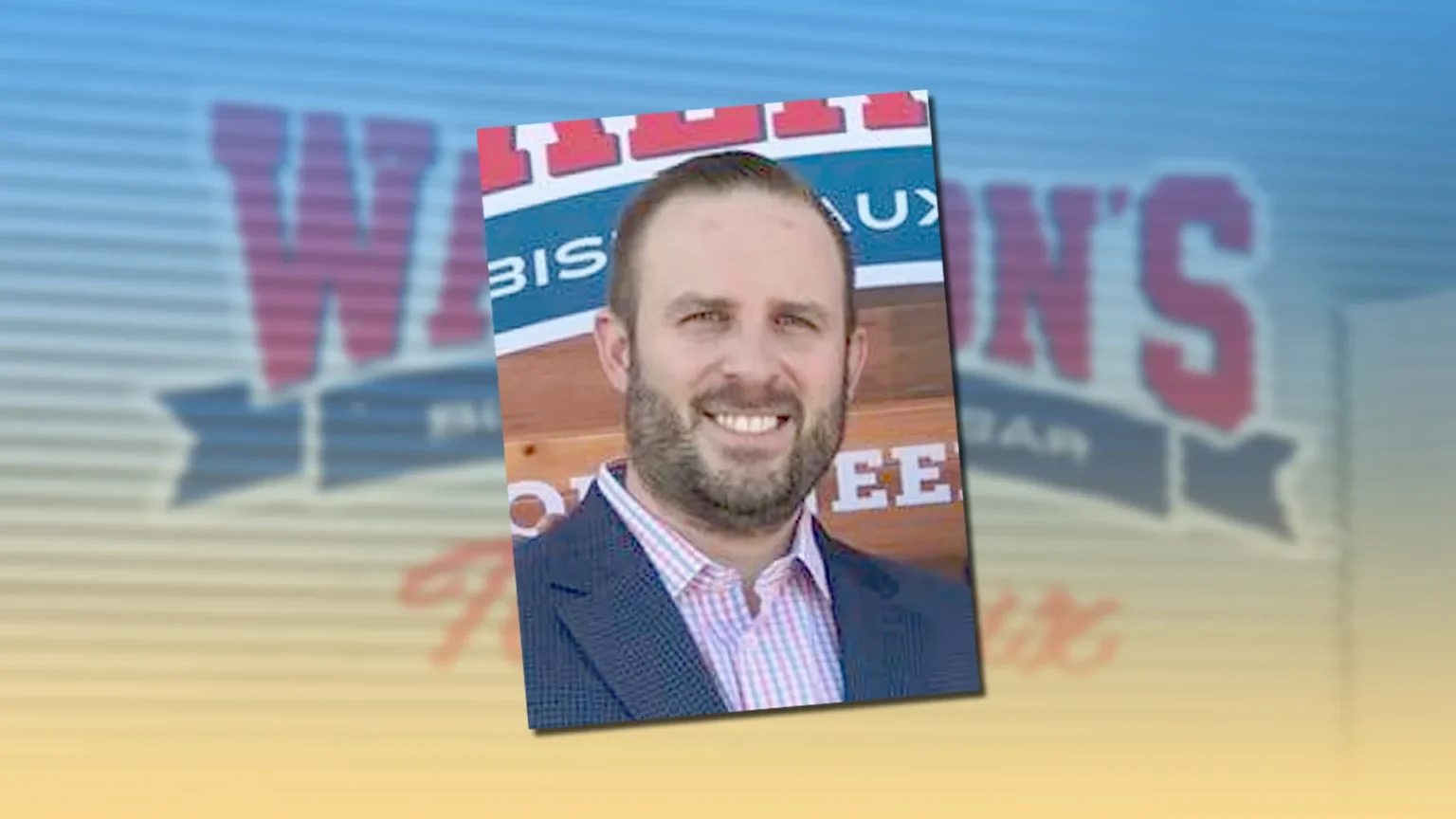
A San Antonio judge has temporarily barred Joshua Allen and two Allen-linked entities from selling, transferring or otherwise disposing of interests in dozens of businesses, preserving assets that a court-appointed receiver may attempt to recover for investors in Ferrum Capital.
Judge Norma Gonzales of the 131st District Court in Bexar County signed the temporary injunction June 12. The order applies to Allen, Allen Financial Agency and Landzacha Holdings and covers interests connected to more than 35 companies.
The ruling represents a significant step for receiver John Patrick Lowe, who is investigating Ferrum’s finances and pursuing money or property that could eventually be distributed to investors and other creditors. However, the injunction does not give Lowe ownership of the listed businesses or authorize their immediate sale.
Instead, it is intended to keep the assets in place while the civil case continues.
According to the order, the court preliminarily found that Allen and the two entities were “probably insolvent” and would likely be unable to pay potential damages without the value associated with their other business interests. The judge also found that Lowe had demonstrated a probable right to recovery and that the receivership estate faced imminent and irreparable harm unless the assets were protected.
Those are preliminary findings made for purposes of the injunction—not a final judgment establishing Allen’s liability or setting the amount that investors may recover. Court records indicate Allen did not appear at the injunction hearing.
The order prohibits the defendants from selling, assigning, transferring, encumbering or otherwise disposing of their interests in the specified companies. It also covers money or other proceeds received from those interests.
The businesses include entities tied to restaurants, real estate, accounting, property management and other ventures. Among those named are Hub City Land, RaiderLand Property Management, National ScriptNet, Trading Up Lubbock, WO Amarillo, Waco WO, Fort Worth WO and several Landzacha-related entities. The complete list appears in the court’s injunction order.
Lowe requested emergency protection May 29, arguing that the assets could be transferred beyond the receiver’s reach. As previously reported, the receiver’s application followed the end of a separate receivership involving an Amarillo Walk-On’s restaurant investment.
That unrelated collection case recovered $835,000 through the sale of Allen’s interests in nine companies associated with businessman Cameron Neufeld. The court subsequently declared the Walk-On’s collection efforts complete, potentially freeing Allen’s remaining business interests from restrictions imposed in that proceeding.
Lowe’s filing did not immediately seek to force the sale of the newly listed companies. Rather, he asked the court to prevent any movement of the assets while he determines their ownership, value and possible connection to Ferrum funds.
Any eventual recovery will require additional legal proceedings. The receiver may have to establish that Ferrum money was improperly transferred, determine the extent of Allen’s ownership and account for mortgages, liens, other investors and competing creditor claims. Some businesses may also have little net value even if Allen retains an ownership interest.
That means the injunction creates a possible path toward repayment but does not ensure that investors will receive money.
Lowe was appointed in the Bexar County civil case to take control of Ferrum Capital and Ferrum IV and marshal assets for the benefit of the receivership estate. His attorneys allege Allen caused at least $11 million in damage to the Ferrum entities and at least $50 million in losses to plaintiffs. A forensic accountant working with the receiver has characterized Ferrum’s operations as a Ponzi scheme and alleged that Allen and related companies received millions of dollars in fraudulent transfers.
Those claims remain part of ongoing civil litigation and have not yet resulted in a final judgment against Allen.
Allen also faces a separate federal criminal prosecution with Michael Cox. A federal indictment announced by the Justice Department accuses them of participating in an investment-fraud and money-laundering scheme involving Ferrum. Both men have pleaded not guilty and are presumed innocent unless prosecutors prove the charges beyond a reasonable doubt. Their trial is currently scheduled for Aug. 10, 2026, after a judge denied Allen’s request for another delay.
The civil receivership and federal prosecution are distinct. The criminal case will determine whether Allen and Cox committed the charged offenses, while the receivership focuses on identifying, preserving and potentially recovering property for creditors and investors.
Ferrum investors who want to participate in a possible distribution must still submit a claim. The receivership has established a Sept. 3, 2026, deadline, with instructions and claim information available here.
For now, the injunction’s immediate effect is preservation: Allen and the named entities cannot move the covered business assets while Lowe continues investigating whether their value can legally be brought into the Ferrum receivership.