

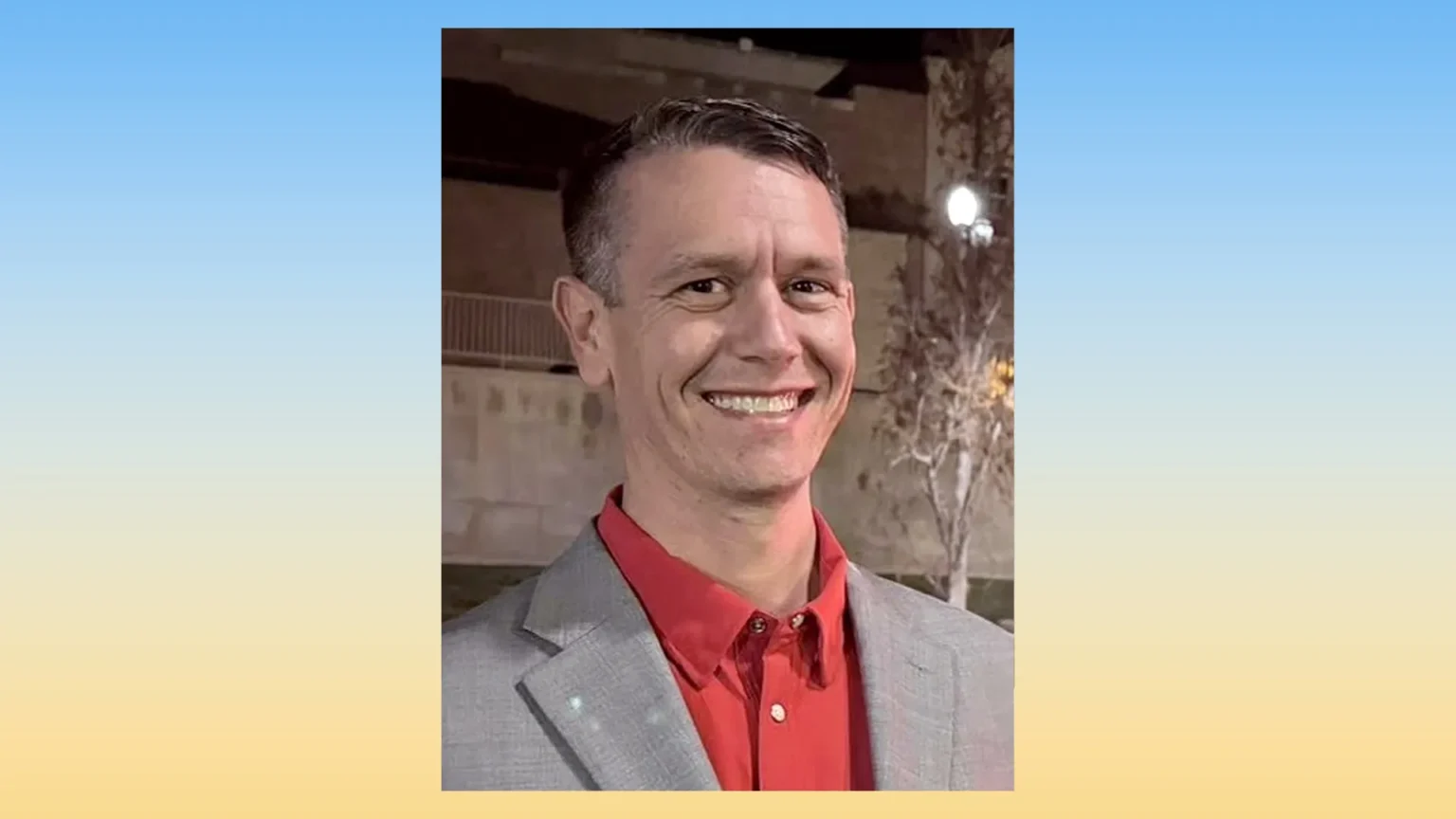
Matthew “Fat Matt” Smith entered the 2026 race for Texas’ 19th Congressional District with a campaign grounded in Christian faith, small-business experience and concern about federal spending.
Smith, an Abilene roofing contractor with business connections in Lubbock, was one of seven Republicans seeking to replace Rep. Jodey Arrington. Arrington, chairman of the House Budget Committee, announced in November 2025 that he would not seek reelection, creating a rare open-seat contest in the heavily Republican West Texas district.
Smith said he felt called by God to enter the race. During a February interview with Lubbock Lights, he described hearing the “still small voice of the Lord” directing him toward public service.
That religious conviction was central to his candidacy rather than a secondary campaign theme. Smith said he evaluates political questions through Scripture and believes his Christian worldview should inform how he approaches government, spending and leadership.
His candidacy was formally supported by Fat Matt Smith for Congress, which registered with the Federal Election Commission in December 2025 as his principal campaign committee.
From roofing to politics
Smith grew up north of Abilene and attended a combination of home, private and public schools. He later earned an associate degree from Howard College in Big Spring and said he also completed an associate-level practical ministry program through Kingdom Advanced School of Ministry.
He described himself during the campaign as an entrepreneur, husband and father of five whose family was working to adopt a sixth child.
Smith owns Fat Matt Roofing, an Abilene-based company that expanded into Lubbock in 2018. The company’s distinctive name developed from a nickname Smith used while working in an earlier sales position.
When customers were not returning his calls, Smith began telling them to “call Fat Matt.” The phrase helped break the ice, he said, particularly because people often expected someone larger than his actual build. He eventually turned the nickname into the identity of his roofing company and congressional campaign.
Smith said his company’s presence in Lubbock and his participation in the Lubbock Area Roofing Contractors Association gave him business ties throughout the district, even though he lived in Abilene.
Federal spending was his leading concern
Smith’s principal policy argument was that the federal government should operate with more of the financial discipline expected from a private business. He criticized Washington’s borrowing and said government officials were treating public money like an unrestricted line of credit.
He identified fraud, waste and abuse in federal programs as his first target. Smith argued that Congress should investigate questionable spending more aggressively before asking taxpayers for additional money or adding to the national debt.
He also said fiscal responsibility should not be treated as an exclusively partisan issue. Although he campaigned as a conservative Republican, Smith said lawmakers would need to speak directly with members of the opposing party to make progress on spending and other national problems.
Smith presented his business background as preparation for that task. In his view, congressional leaders should understand payrolls, budgets and the consequences of spending beyond available revenue.
Term limits—with some flexibility
Smith supported congressional term limits and signed a campaign pledge backing them. He argued that elected office should not become a permanent career and said long-serving politicians can become disconnected from the people they represent.
However, he did not favor limits so restrictive that members would leave before gaining the experience needed to influence legislation.
Smith pointed to Arrington’s decade in Congress as an example. He said Arrington needed time to build seniority, develop relationships and reach a position from which he could shape major budget legislation. Smith’s position combined support for limiting political careers with a belief that voters should allow effective representatives enough time to produce results.
He also argued that voters carry responsibility for removing ineffective officials rather than relying exclusively on constitutional or statutory limits.
Trump policies and West Texas agriculture
Another Smith priority was turning selected executive orders issued by President Donald Trump into federal law. He warned that executive actions can be reversed by a future president and argued that legislation would provide greater permanence.
Smith did not identify every order he wanted Congress to codify during the profile interview, but his position placed him firmly within the pro-Trump wing of the Republican primary.
On agriculture, Smith said Congress should reduce regulatory burdens and address the rising costs facing West Texas producers. He pointed to expenses associated with seed and other farming inputs, arguing that American producers were being placed at a competitive disadvantage.
Agriculture is a central industry across the 19th District, which stretches across much of rural West Texas and includes Lubbock and Abilene. Smith maintained that his business experience would help him evaluate how federal regulations affect farmers, ranchers and other employers.
Campaign ended in a narrow third-place finish
Smith’s candidacy attracted significant support, but he did not advance from the March 3 Republican primary. Tom Sell finished first, while Abraham Enriquez narrowly secured the second runoff position.
With nearly all votes counted, Enriquez led Smith by only 193 votes, according to KCBD’s election report. Smith considered whether to pursue a recount, but the runoff ultimately proceeded between Sell and Enriquez.
Sell won that contest with 32,239 votes to Enriquez’s 17,932, according to the Texas secretary of state’s official runoff results. He will face Democrat Kyle Rable in the November general election.
Although Smith’s campaign ended before the runoff, his close third-place finish demonstrated that his combination of religious conviction, business experience and fiscal conservatism resonated with a substantial portion of Republican voters across West Texas.