

Suggestions include restoring Canyon Lake Drive, honoring Dolores Huerta or selecting a locally connected name, but city leaders say the decision requires public input and careful planning.
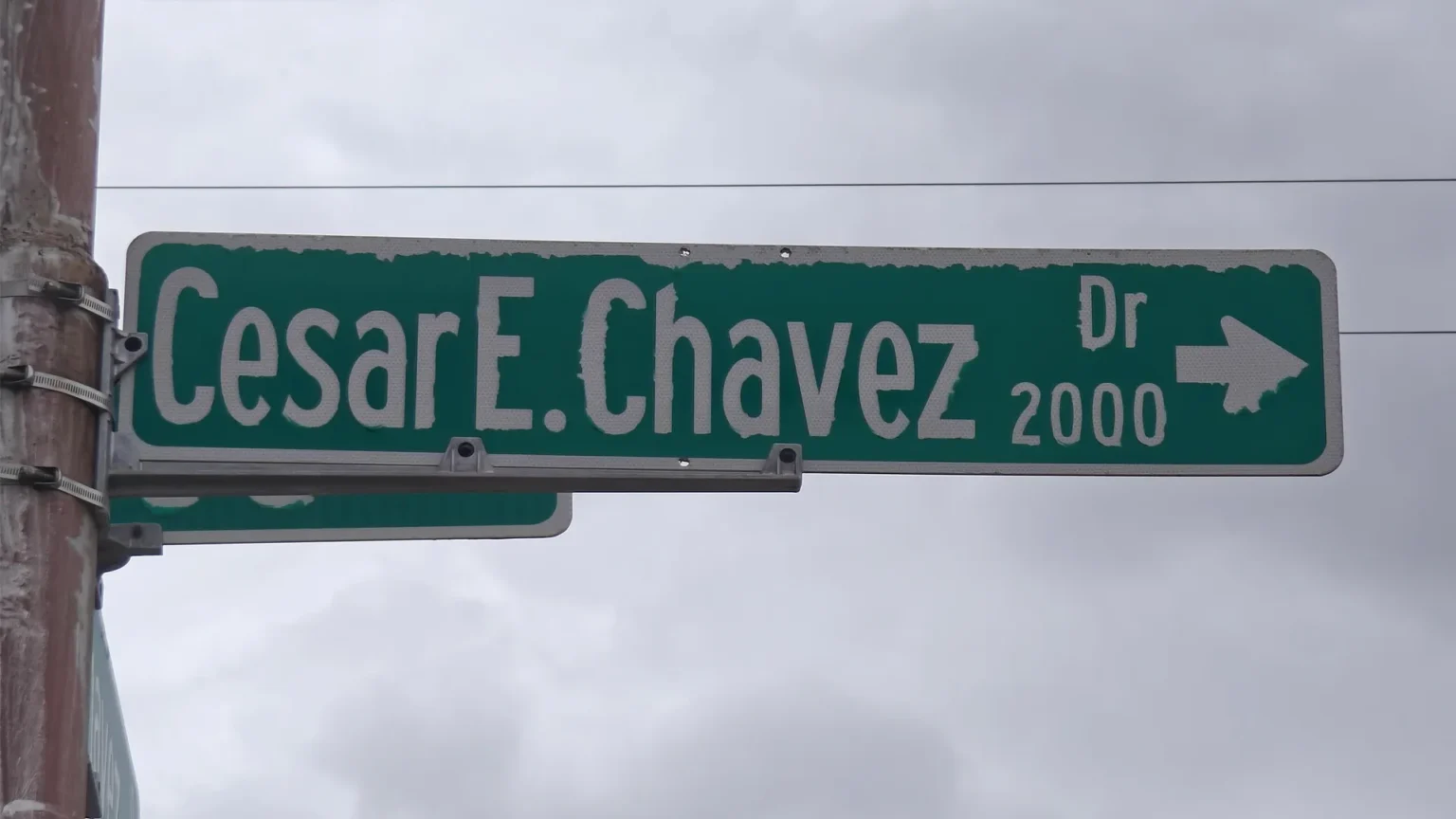
Lubbock officials and community leaders are considering whether to remove Cesar E. Chavez’s name from a major Canyon Lakes roadway following allegations that the celebrated labor organizer sexually abused women and girls.
No replacement had been formally selected when the debate began. Suggestions ranged from restoring the road’s former name, Canyon Lake Drive, to honoring another civil rights leader or choosing a name connected more directly to Lubbock’s Hispanic and farmworker communities.
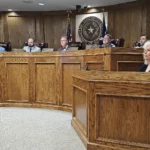
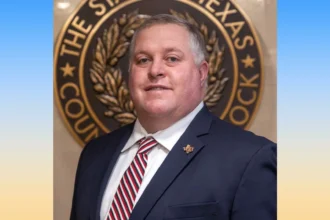
The discussion is particularly difficult for District 1 Councilmember Christy Martinez-Garcia, who helped lead the multiyear campaign that resulted in the street being named for Chavez in 2007.
“It’s very heartbreaking,” Martinez-Garcia told Lubbock Lights, describing the possibility of reversing an honor that once represented community pride and recognition of South Plains farmworkers.
Allegations prompt national reassessment
Chavez, who died in 1993, co-founded what became the United Farm Workers with Dolores Huerta and became one of the country’s most prominent Latino civil rights leaders. His campaigns helped farmworkers secure better wages, working conditions and collective-bargaining rights.
His public legacy changed sharply in March 2026 after women accused him of sexual abuse. The allegations included accounts from women who said Chavez abused them when they were adolescents, as well as accusations from Huerta.
The claims were publicized through a New York Times investigation and subsequently covered by The Associated Press. They were not adjudicated in court, and Chavez cannot respond because of his death. Nevertheless, the allegations prompted labor organizations, public officials, schools and cities across the country to reconsider events and landmarks bearing his name.
In Lubbock, Los Hermanos Familia removed Chavez’s name from its annual service event and renamed it the CommUNITY Day of Service. The organization said it remained committed to supporting farmworkers while emphasizing accountability and the safety of women and children, according to KCBD’s report on the announcement.
A name that took years to secure
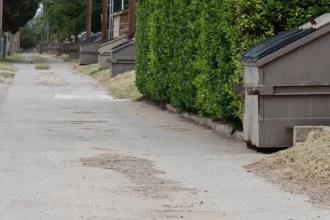
Cesar E. Chavez Drive is not merely an honorary sign attached to another street name. It is an official roadway designation created through a City Council ordinance.
The 2007 ordinance renamed portions of Canyon Lake Drive, Park Road 18, Hillside Drive and North Boston Avenue. The designated route extends through parts of the Canyon Lakes system and Mackenzie Park.
The ordinance also directed city officials to update maps and signs and notify property owners, Lubbock County, the appraisal district, the Postal Service and other affected organizations. Reversing the designation would involve many of the same practical issues, including emergency-service records, navigation systems, government databases and mailing addresses.
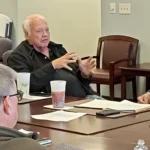
Martinez-Garcia said the original campaign took approximately two years and involved extensive community participation. Although she supports removing Chavez’s name, she cautioned against selecting a replacement too quickly. She suggested forming a committee representing different community perspectives.
Mayor Mark McBrayer also favored a deliberate process. He said he generally prefers honoring people through ceremonial street signs instead of changing official addresses, partly because address changes can impose costs on residents and businesses.
Several possible replacements
The Lubbock County Democratic Party called for renaming the street after Huerta, who shared leadership of the farmworker movement and has received national recognition for her civil rights work. Former Lubbock County Commissioner Gilbert Flores and Lubbock Independent School District trustee Lala Chavez also publicly supported honoring Huerta, KCBD reported.
That proposal, however, raises questions about whether Lubbock should again name an official street for a nationally known person without a strong local connection.
Other names mentioned during community discussions included Oralia “Lala” and Lauro Cavazos, Gen. Richard Cavazos, Maggie Trejo and Richard Lopez. Francisco Vásquez de Coronado, the Spanish explorer whose expedition crossed the region, was also suggested.
Martinez-Garcia offered another option: do not name the roadway for any individual. A name centered on unity, community or farmworkers collectively could preserve the original purpose of the Chavez designation without transferring the honor to another person.
Restoring Canyon Lake Drive has also received support. McBrayer said that name accurately describes the route, while former Mayor David Langston observed that nothing was inherently wrong with the original designation.
Official and honorary names follow different rules
Lubbock’s code provides a detailed procedure for adding an honorary name while retaining a street’s official designation. Under Section 36.03.041 of the city code, an honorary proposal generally must recognize a deceased Lubbock resident or an event with a direct local connection.
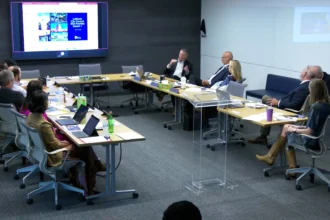
Applicants must obtain support from more than 65% of abutting property owners, pay an application fee and cover sign expenses. The Planning and Zoning Commission conducts a public hearing before making a recommendation to the City Council.
That section applies specifically to honorary designations and states that it does not authorize changing an official street name. Because Cesar E. Chavez Drive is the legal name, replacing it would likely require a new ordinance similar to the one approved in 2007. The City Council would make the final decision.
The distinction leaves Lubbock with several choices: select a new official name, restore Canyon Lake Drive or use the original name while creating honorary signs recognizing local Hispanic leaders and farmworkers.
Whatever option advances, city leaders say the process should acknowledge both the seriousness of the allegations and the history behind the original decision. The broader farmworker movement involved thousands of people whose contributions remain significant even as communities reconsider the individual once placed at its center.