

LUBBOCK, Texas — A disagreement over books in Lubbock Independent School District libraries has become a test of whether Texas’ newest library law goes far enough—or whether lawmakers will return to Austin seeking stricter controls.
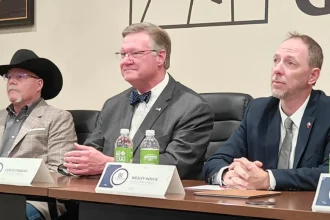
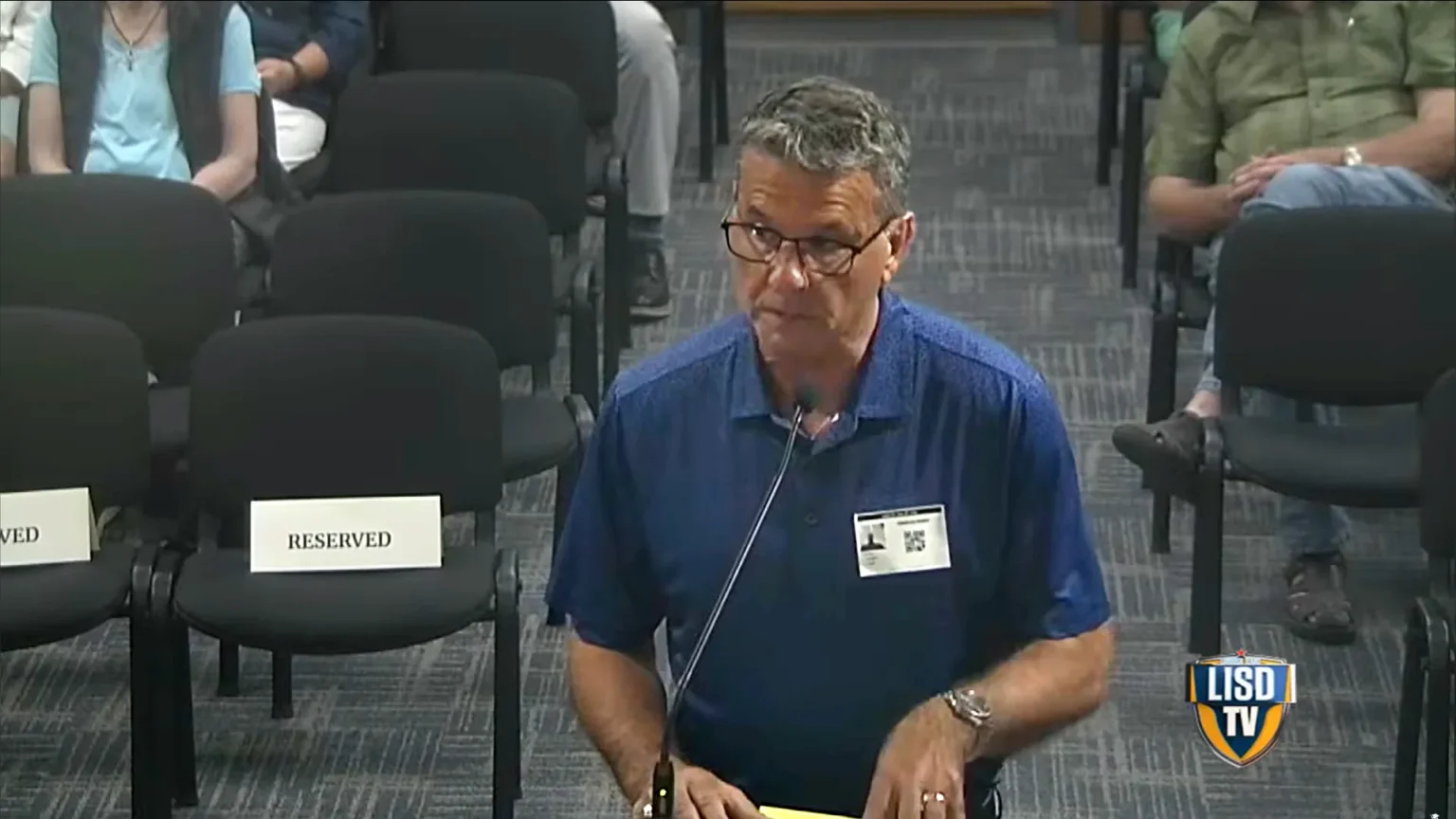
State Sen. Charles Perry told Lubbock ISD trustees at their June 25 meeting that some materials he considers obscene, vulgar or otherwise inappropriate remain available to students. Although Perry acknowledged the district had followed the process established by state law, he argued that the outcome showed the process was not working as lawmakers intended.
“What’s on the shelves today is not where we want to land,” Perry said, according to Lubbock Lights’ reporting on the meeting.
Perry warned that he could pursue changes when the Texas Legislature reconvenes in 2027. He said possible revisions could include consequences for districts that fail to comply with state requirements, though he added that he had not decided what new legislation should contain.
The senator focused primarily on Jesse Andrews’ novel Me and Earl and the Dying Girl. Perry did not identify the title during the meeting because, he said, he did not want to promote the book. KCBD independently confirmed the title, which has been challenged elsewhere because of profanity, sexual references and language critics consider degrading to women.
The novel, first added to Lubbock ISD libraries in 2012, follows a high school student whose childhood friend is diagnosed with cancer. It has repeatedly appeared on lists of frequently challenged books.
Lubbock ISD’s School Library Advisory Council reviewed the title and voted 3-2 to retain it in high school libraries while removing it from middle schools. Trustees later approved that recommendation. The district’s published reconsideration decisions show that the board approved recommendations covering 36 challenged titles on May 28.
Some books were retained at both middle and high schools. Others were restricted to high schools. A Court of Wings and Ruin, along with two later books in that series, was ordered removed from all district libraries.
Perry said retaining Me and Earl and the Dying Girl at high schools demonstrated that Lubbock ISD’s process could satisfy the letter of the law without accomplishing what lawmakers intended. He asked trustees to consider a faster or substantially different method of identifying and removing prohibited material.
District officials disputed any suggestion that they had ignored state requirements.
Superintendent Kathy Rollo said she shared Perry’s concerns about the language in the book but could not simply order it removed herself. Under the district’s interpretation of the law, challenges must proceed through the advisory council and ultimately to the elected Board of Trustees.
Board President Nancy Sharp similarly said Lubbock ISD implemented the required procedures after lawmakers passed Senate Bill 13 in 2025.
The enrolled version of Senate Bill 13, which took effect Sept. 1, 2025, expanded parental access to school-library records and established procedures for reviewing, acquiring and challenging materials. The law says library standards must prohibit material that is harmful, indecent, profane, pervasively vulgar or educationally unsuitable.
The statute also says material cannot be removed solely because of its ideas or because of the personal background of its author or characters.
Under SB 13, a district with a local library advisory council must consider the council’s recommendations before adding or removing material. Councils must have at least five members, with parents of enrolled students who do not work for the district making up a majority of voting members.
Parents, district employees and residents may file written challenges. Once a challenge is submitted, students cannot access the material while the review is pending. The council generally has up to 90 days to make a recommendation, after which trustees take action at an open meeting.
Rollo said the process has produced removals and grade-level restrictions, even if it has not produced every result Perry and other critics want. She also said many challenges have come from community members rather than students or parents of students currently enrolled in the district.
District administrators acknowledged that older purchasing practices allowed some inadequately reviewed books into school collections. Librarians once bought packages assembled around popular or award-winning titles, meaning every book in a bundle did not necessarily receive the same scrutiny.
Lubbock ISD stopped buying new library books for about a year and a half while it examined its practices, Rollo said. The district has since ended bundle purchases and now reviews titles individually. Proposed acquisitions must also be publicly posted before trustees consider them.
Parents have additional controls over what their own children may read. They can review catalogs, prohibit their child from checking out particular titles, authors or categories, and receive notifications identifying books their child obtains. Those protections are among the parental-access requirements included in SB 13.
The dispute also includes people who oppose broad removals. During a May advisory-council meeting, Lubbock High School senior Vera Rose Giemza argued that controversial literature can help students develop critical-thinking skills. Her mother contended that some challenges were driven by political lists rather than firsthand reading of the books.
That tension—between statewide restrictions, local community standards and individual parental choice—will likely continue. KTTZ reported that Perry expects to carry his concerns about Lubbock ISD’s procedure into the next legislative session and has suggested technology, including artificial-intelligence searches for prohibited language, could accelerate reviews.
Perry said he planned to meet again with district officials. For now, Lubbock ISD maintains that it is applying the law as written, while Perry argues that compliance should be judged not only by the procedure followed but also by the books that remain available to students.