


The LGC endorsed a redesigned $67 million venue at North University Avenue and Loop 289, but questions remained about private funding and financial records.
A proposal to build the Lubbock County Expo Center on the city’s north side moved forward after a county oversight board endorsed the location, a revised design and preliminary work toward public financing.
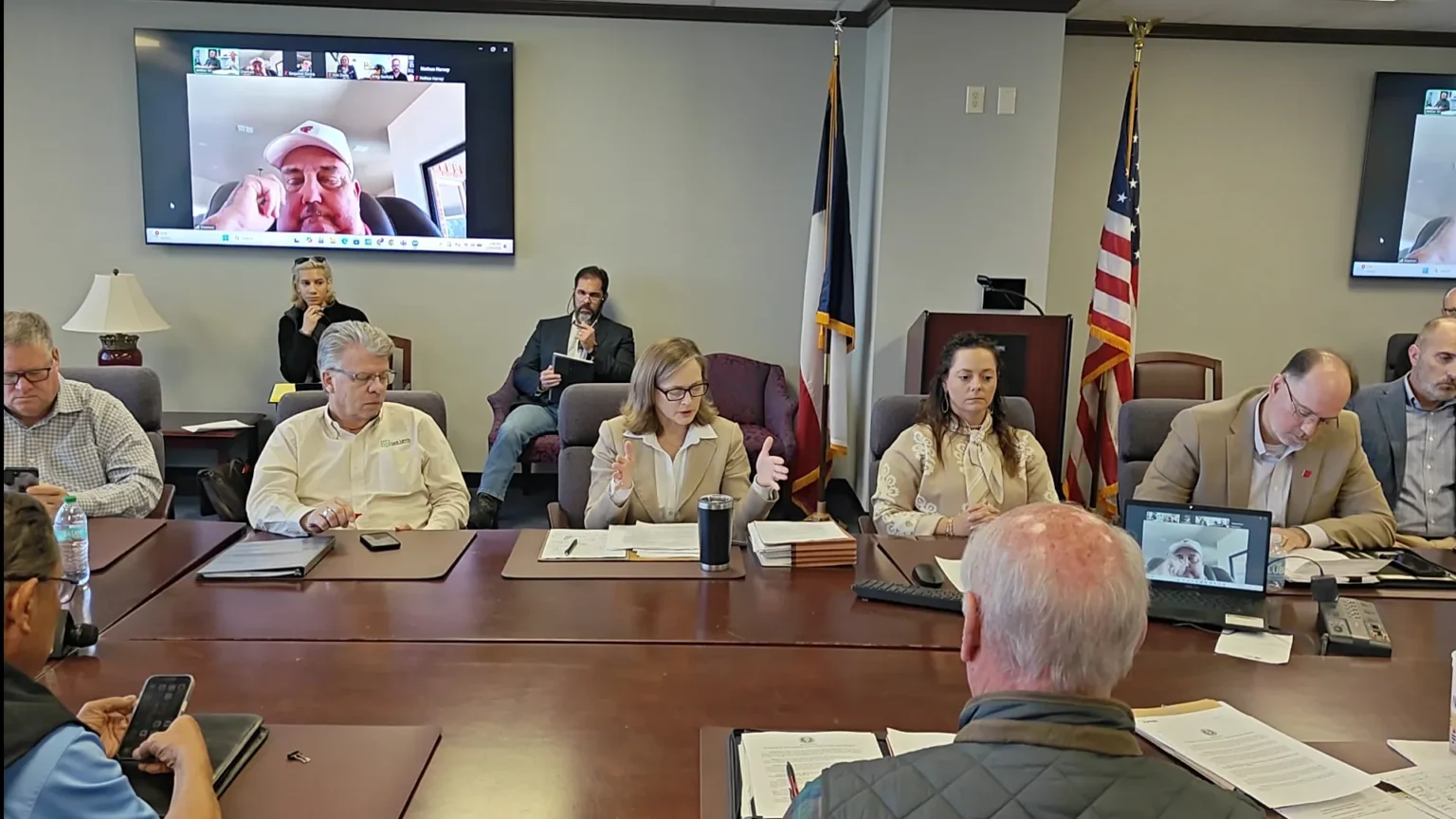
The Lubbock County Expo Center Local Government Corporation, commonly called the LGC, approved the resolution 7-2 during its Jan. 14, 2026, meeting. At the time, the measure was scheduled to go before the Lubbock County Commissioners Court later that month.
If accepted by commissioners, the resolution would keep the project on approximately 80 acres near North University Avenue and the North Loop 289 access road. The decision effectively rejected an alternative proposal to combine the Expo Center with a redeveloped Lubbock Memorial Civic Center downtown.
The LGC’s action was advisory. The Commissioners Court retained authority over major county commitments, including the final design, construction plan and issuance of bonds.
Resolution supports three major steps
According to the resolution and reporting from the meeting, the LGC endorsed three components of the revised project.
First, the board supported a new, less expensive design proposed by the nonprofit Lubbock County Expo Center Inc., or LCEC. The organization agreed to pay Parkhill $375,000 to begin the design work. The proposed facility would draw heavily from the design of Taylor Telecom Arena in Abilene.
The $375,000 represents only an initial design expense. Discussion during the meeting indicated that total architectural and engineering fees could eventually approach $3 million, although no final amount had been established.
Second, the resolution reaffirmed the north Lubbock location. LCEC previously purchased the 80-acre property and transferred it to Lubbock County for the venue. The resolution also supported extending a deed provision connected to the donated land for another five years.
Third, the LGC backed hiring specialized bond attorneys to begin preparing for approximately $32 million in county-issued debt. The bonds would be repaid using hotel occupancy and short-term vehicle rental taxes approved by Lubbock County voters in 2018—not through the county’s general property-tax revenue.
The entire project was estimated to cost about $67 million, down from a previous estimate of approximately $97 million. Private donations and other financing arranged by LCEC would have to cover the portion not funded through county bonds and accumulated venue-tax revenue.
Financial documentation remains a concern
Although seven LGC members supported the resolution, Carl Isett and Gary Boren voted against it. Both argued that the board still lacked enough financial information to determine whether the project could be completed without exposing the county to additional risk.
County Auditor Kathy Williams told board members that her office did not possess a current audit of LCEC. She said the most recent complete audit available to her at the time was from 2020 and that she had received some bank statements but not a complete set of financial records.
LCEC Chairman Randy Jordan said the organization had provided tax returns, profit-and-loss statements and other documents. He acknowledged, however, that not every requested record had been delivered. An outside firm had recently completed an audit covering 2021 and 2022, while later audits remained unfinished.
Isett said he had not seen documentation showing that the nonprofit had access to the millions of dollars in private funding needed to complete the project. Boren raised similar concerns and supported postponing the vote.
The disagreement reflected broader questions that had delayed the project during earlier LGC meetings. Those concerns included the terms of a possible private bank loan, control of venue revenue and responsibility for any annual operating losses.
Earlier financial projections had indicated that the Expo Center could break even. A later estimate, however, suggested it might lose approximately $500,000 annually unless additional revenue sources offset the shortfall.
Following the January vote, the LGC requested updated financial information before its March meeting.
Supporters say further delay could threaten project
Some board members concluded that waiting for every document would create another unnecessary delay in a project that voters first authorized more than seven years earlier.
LGC member Dwight McDonald opposed reopening discussions about the location after years of planning. He moved to approve the resolution, and the motion passed.
Jordan said LCEC would not have returned to the oversight board without believing the private funding was available. Project supporters also emphasized that the new proposal substantially reduced the estimated cost and preserved infrastructure work already completed near the north Lubbock site.
Critics countered that earlier architectural plans had been abandoned after construction costs increased and private fundraising became more difficult during and after the COVID-19 pandemic. They argued that county officials needed independently verified financial information before making additional commitments.
North Lubbock selected over downtown alternative
The City of Lubbock had invited the county to consider placing the Expo Center near the existing Civic Center as part of a larger downtown redevelopment effort.
That option potentially offered access to additional revenue through a state-authorized project financing zone. A Texas Comptroller estimate placed possible revenue from that financing mechanism at approximately $121.7 million through 2055.
Expo Center leaders nevertheless favored the north Lubbock property. They said the downtown site presented concerns involving traffic, parking and limited space for future expansion. A joint city-county study examined both locations but did not resolve the dispute.
The LGC’s vote gave the north-side proposal an important endorsement, but it did not authorize construction. Commissioners still needed to consider the resolution, while later decisions would be required on the completed design, financing agreements and a guaranteed maximum construction price.
Subsequent update: The Commissioners Court approved the next steps 4-1 on Jan. 27. Commissioners later approved a project lease 3-2 in June.