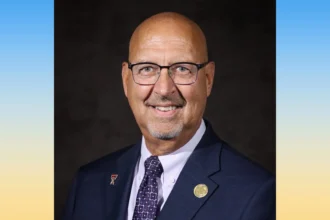


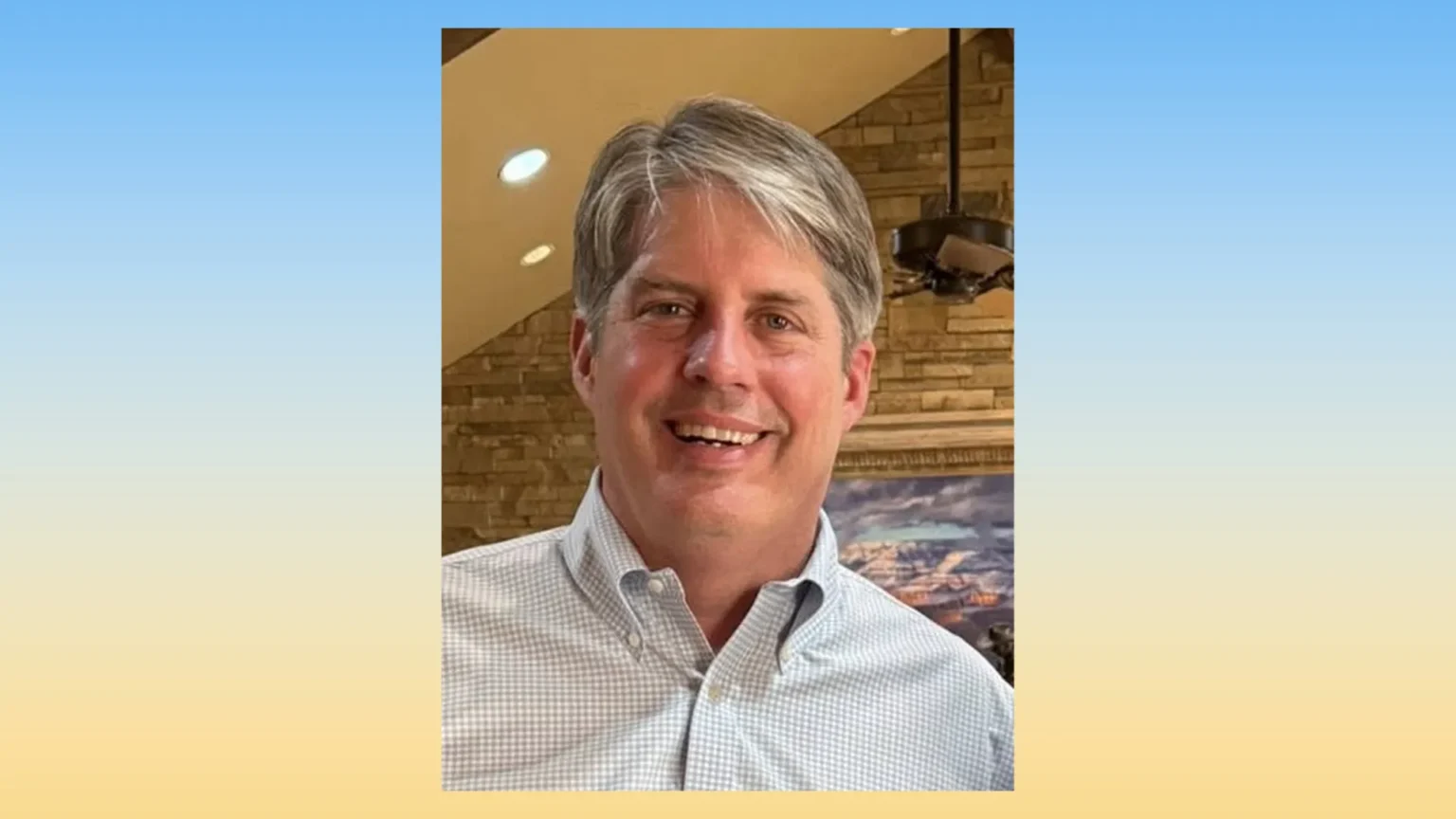
Tom Sell is making his previous work on federal agricultural policy the centerpiece of his campaign to represent Texas’ 19th Congressional District, arguing that his experience with former Rep. Larry Combest would allow him to advocate effectively for West Texas producers from his first day in Congress.
Sell, a Lubbock businessman and former congressional staff member, secured the Republican nomination in May. He is now running against Democrat Kyle Rable in the Nov. 3 general election to succeed retiring Rep. Jodey Arrington.
The race gives Sell an opportunity to return to Washington more than two decades after serving on the staff of Combest, who represented the district from 1985 until 2003 and chaired the House Agriculture Committee.
Sell worked as the committee’s deputy staff director from 1999 through early 2003, according to reporting by The Texas Tribune. That period included congressional work on the Agricultural Risk Protection Act of 2000 and the 2002 Farm Bill—legislation that affected crop insurance, commodity programs, conservation and other parts of federal agricultural policy.
Sell contends that this experience distinguishes him from candidates who may share his conservative positions but have not participated directly in the congressional legislative process.
West Texas roots and an early start in Washington
Sell was born in Lubbock, and his family has longstanding connections to farming communities across the South Plains. His parents grew up near Petersburg, while his grandparents experienced the Great Depression and Dust Bowl.
The family moved to Amarillo when Sell was 10. He graduated from Tascosa High School before returning to Lubbock to study agricultural economics at Texas Tech University. He later earned a law degree from Texas Tech.
During his senior year, Sell was selected for a Washington internship with Combest. He arrived in 1995, as Republicans took control of the House for the first time in four decades under Speaker Newt Gingrich.
The internship developed into a larger role. Sell eventually worked closely with Combest while the congressman led the Agriculture Committee, giving him exposure to negotiations among lawmakers, farm organizations and agricultural industries.
In a February interview with Lubbock Lights, Sell described the 2002 Farm Bill as foundational to later agricultural legislation. His campaign says he helped advance both that measure and the 2000 crop-insurance overhaul.
Business and agricultural advocacy
After Combest left Congress, Sell returned to Lubbock. While attending law school, he helped establish Combest, Sell & Associates, a policy and advocacy firm focused heavily on agriculture and rural interests.
Sell has also been involved in cattle and farming operations with his father. Outside his business, he has served with organizations including the National Ranching Heritage Center, Breedlove Foods and the Lubbock Water Advisory Commission.
His campaign biography describes him as a fifth-generation West Texan and emphasizes his family’s involvement in Lubbock. Sell and his wife, Kyla, raised four children in the city and have participated in church, youth sports and Texas Tech mentoring programs.
Sell argues that the 19th District is defined by people who produce food, fiber and energy, often under difficult economic and environmental conditions. He has said a representative from the district must understand how drought, commodity prices, input costs, trade policy and federal regulations interact.
If elected, Sell wants to serve on the House Agriculture Committee. He has identified trade agreements, crop insurance and support for the cotton industry as areas where the district needs a strong congressional advocate. He has also called for greater attention to rural health care and transportation infrastructure.
Several agricultural organizations supported him during the Republican primary. The Texas Corn Producers Association cited his policy experience in endorsing him, arguing that fewer members of Congress now represent districts where farming remains a major part of the economy.
Debt, defense and term limits
Although agriculture has been central to Sell’s campaign, he has also placed the federal debt among his highest priorities.
Sell argues that annual federal spending cannot continue to exceed revenue by trillions of dollars. He has called for lawmakers to restrain spending while maintaining a strong national defense and protecting programs important to farmers and rural communities.
He says meaningful budget changes will require lawmakers to persuade colleagues rather than simply repeat partisan positions. Sell points to the balanced federal budgets achieved around 2000 as evidence that congressional majorities can reduce deficits when
Tom Sell brings Farm Bill experience to campaign for Texas’ 19th District
Tom Sell is making his previous work on federal agricultural policy a central argument for why West Texas voters should send him to Congress.
Sell, a Lubbock businessman and former congressional staff member, secured the Republican nomination for Texas’ 19th Congressional District in May. He is now facing Democrat Kyle Rable in the Nov. 3 general election to succeed retiring Republican Rep. Jodey Arrington.
His campaign is built around deep West Texas roots, experience working for former Rep. Larry Combest and an assertion that he could begin representing the district’s farmers and ranchers without a lengthy learning period.
Sell first presented that case during the crowded Republican primary. In a February Lubbock Lights candidate profile, he described the 19th District as a region of producers whose residents continue working through drought, economic pressure and other difficult conditions.
West Texas roots and Texas Tech education
Sell was born in Lubbock to parents who grew up near Petersburg. He has described himself as a fifth-generation West Texan whose family arrived in Lubbock as sharecroppers in 1906, before the city was incorporated.
His family moved to Amarillo when he was 10, and Sell later graduated from Tascosa High School. He returned to Lubbock to attend Texas Tech University, where he studied agricultural economics and met his future wife, Kyla.
According to Sell’s campaign biography, he earned a bachelor’s degree in agribusiness and subsequently completed a law degree at Texas Tech. He and his wife raised four children in Lubbock and have participated in church, youth sports and community organizations.
Sell has also served on organizations including the National Ranching Heritage Center board, Breedlove Foods and the Lubbock Water Advisory Commission. He said he has remained involved in farming and ranching with his father, including raising cattle and cultivating a limited amount of farmland.
From congressional intern to agriculture policy staffer
Sell’s introduction to Washington came in 1995, when he was selected for a Texas Tech internship in Combest’s congressional office.
Republicans had just taken control of the House for the first time in four decades, and Combest was becoming an increasingly influential figure in federal agricultural policy. He represented the 19th District from 1985 until 2003 and eventually became chairman of the House Agriculture Committee.
Sell remained on Combest’s staff and served as the committee’s deputy staff director from 1999 until early 2003, according to The Texas Tribune.
During that period, the committee worked on the Agricultural Risk Protection Act of 2000, which revised federal crop-insurance programs, and the 2002 Farm Bill. Sell’s campaign says he played a significant role in moving both measures forward.
The Farm Bill is a wide-ranging package Congress traditionally renews every several years. It covers commodity programs, crop insurance, conservation, rural development and nutrition assistance. For an agriculture-dependent district such as the 19th, the law directly affects farmers, ranchers, lenders and rural communities.
Sell has characterized the 2002 legislation as a pivotal Farm Bill that influenced later agricultural programs. His experience helped him secure support from organizations including Texas Corn Producers during the Republican primary.
Agriculture remains the campaign’s focus
If elected, Sell said he would seek a position on the House Agriculture Committee and advocate for cotton, livestock, dairy and other West Texas producers.
He has called for improved agricultural trade agreements, a stronger federal safety net and policies addressing the combination of weak commodity prices and elevated production expenses. Producers have faced higher costs for seed, fertilizer, fuel, equipment and borrowing while confronting recurring drought across the region.
Sell has also argued that rural districts need stronger representation on health care, transportation and infrastructure. Because rural areas account for fewer seats in Congress than metropolitan regions, he said their economic needs can be overlooked during negotiations.
After leaving Capitol Hill, Sell returned to Lubbock and attended law school. He later established Combest, Sell & Associates with his former employer. The consulting and advocacy firm works on agriculture and rural-policy issues in Washington.
That background became both a strength and a line of attack during the primary. Supporters said it gave Sell detailed knowledge of federal agriculture programs and congressional procedure. Some opponents portrayed him as too closely connected to Washington and the lobbying industry.
Sell’s response was that his work taught him how residents and industry organizations can effectively present their concerns to Congress.
Debt, defense and other priorities
Although agriculture formed the foundation of his campaign, Sell also emphasized federal debt. During the primary, he argued that the gap between annual spending and revenue could not continue indefinitely.
He called for greater discipline in the federal budget while also supporting a strong national defense. Sell said Congress needs members willing to build coalitions and persuade colleagues instead of relying entirely on partisan confrontation.
His current campaign platform also lists tighter border and immigration enforcement, increased domestic energy production, opposition to abortion, protection of Second Amendment rights and support for President Donald Trump’s broader policy agenda.
Sell signed a congressional term-limits pledge, presenting it as consistent with Arrington’s decision to leave after five terms. He said voters should be able to trust their representative to serve with integrity and eventually return to private life.
Sell advances from seven-candidate primary
Sell led the seven-candidate March Republican primary but did not receive the majority required to win the nomination outright. He advanced to a runoff against Abraham Enriquez, whose campaign placed heavier emphasis on his support for Trump and endorsements from prominent conservative leaders.
Sell won the May 26 runoff decisively. Official results from the Texas secretary of state show Sell receiving 32,239 votes, compared with 17,932 for Enriquez.
The victory made Sell the Republican nominee in one of the country’s most strongly Republican congressional districts. Trump carried the district by 52 percentage points in 2024, according to The Texas Tribune’s runoff coverage.
Sell also enters the general election with a significant financial operation. His campaign reported approximately $2.14 million in receipts and $384,766 in cash remaining through June 30, according to Federal Election Commission records.
His central appeal remains the same: West Texas should choose a representative who already understands agriculture, the Farm Bill and the workings of Congress—and who can use that experience on the district’s behalf.