

The district’s new process uses enrollment, building utilization and per-student spending to identify campuses for review while giving families earlier access to the data.
The Lubbock Independent School District has adopted a formal process for evaluating future school closures and consolidations, an effort trustees say should give families more notice and a greater opportunity to participate before decisions are made.
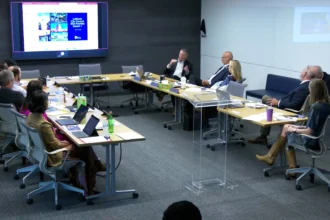
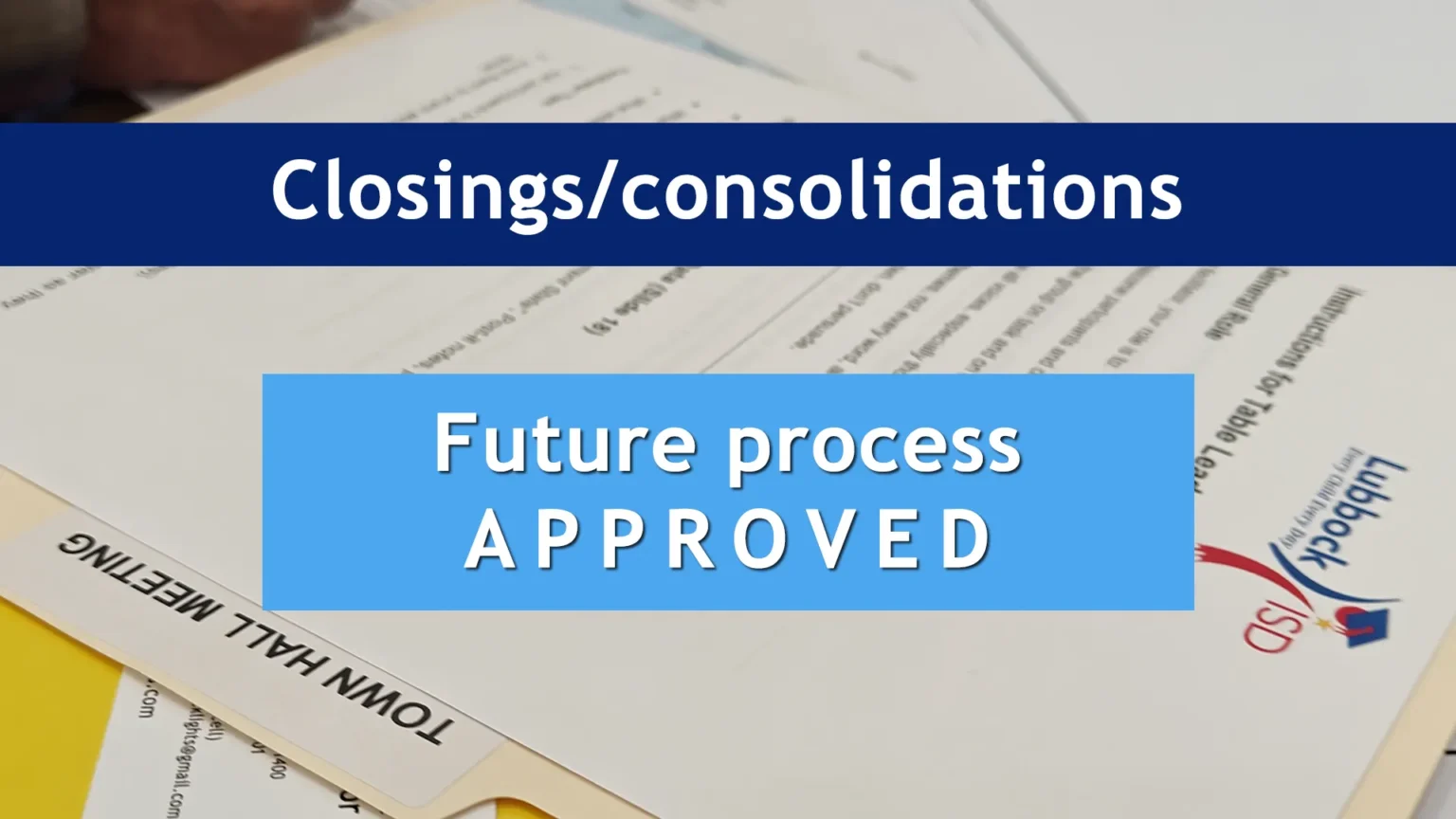
Trustees unanimously approved the District Optimization Framework during their Jan. 22, 2026, meeting, according to the district’s official meeting agenda. The framework establishes numerical standards for identifying elementary and middle schools that may require additional review.
Approving the framework did not place any particular school on a closure list. District officials said no additional campus would close at the end of the 2025-26 academic year under the new system. The earliest another round of consolidation discussions could begin was fall 2026.
The process emerged after LISD’s 2024 consolidation decisions drew criticism from parents, employees and community organizations. Some said the recommendations moved too quickly and did not provide enough time for the public to understand or influence the outcome.
Nancy Sharp, who was serving as an at-large trustee when the framework was approved, said the board did not want that experience repeated. Other trustees said the new system should allow the public to see warning signs long before a final vote.
Three primary measurements
Under the framework, a campus must meet all three primary conditions before it can advance for possible consolidation or closure:
- Its three-year average enrollment is 450 students or fewer.
- It uses 70% or less of its available building capacity.
- Its per-student spending is more than 5% above the districtwide average.
Falling below the standards does not automatically close a school. Instead, it identifies the campus for a more detailed review.
The use of three-year averages is intended to prevent a temporary enrollment change or one unusually expensive year from determining a school’s future. Trustee Mary Ann Lawson said examining several years of information would provide a better view of whether a campus was experiencing a lasting decline.
LISD has since placed an Optimization Framework dashboard on its website. Families can select individual campuses and review information such as enrollment, facility utilization, per-pupil spending, location and state accountability data.
Superintendent Kathy Rollo said the dashboard also provides information about campus leadership, teacher experience and participation in the Teacher Incentive Allotment, a state program that provides additional funding for qualifying educators.
Other factors must be considered
Even if a school meets all three numerical conditions, the district must determine whether students have a reasonable alternative before recommending closure.
The framework says geographic barriers between students’ homes and their proposed new school must be considered. The receiving campuses should also have enough capacity to keep at least 30% of the affected students together.
Additional considerations include:
- Whether a campus offers a specialized model, such as dual-language, International Baccalaureate or STEM programming.
- Whether earlier district decisions already moved students into the school.
- The level of family demand for the school or one of its programs.
- The needs of students enrolled in specialized programs, including services for children with severe disabilities.
- The academic quality and program alignment of the schools that would receive displaced students.
A specialized program would either have to move with students or could become a reason to keep the original campus operating. The district would also need a plan for students whose needs could make another transition particularly difficult.
Board member Beth Bridges cautioned that the framework cannot account for every circumstance. State funding changes, mandates and unexpected financial pressures could still affect future decisions. She characterized the policy as a tool for future trustees rather than a predetermined list of schools and closing dates.
Participation remains a concern
The district conducted five town halls during fall 2025, but only 159 people attended across all five events, according to Lubbock Lights’ original reporting. An online survey generated more than 2,700 responses, while 30 of 80 people invited to participate in a focus group took part.
Trustees said they appreciated those who participated but wanted greater involvement before another major decision reached the board.
Then-board President Ryan Curry and Trustee John Weddige said families should follow enrollment and financial conditions continuously rather than waiting until a closure recommendation is scheduled for a vote.
Trustees also noted that declining enrollment is not entirely within the district’s control. Sharp said birth rates east of Avenue Q had fallen substantially over the previous decade. Families’ ability to choose charter schools, transfer to other LISD campuses or enroll outside the district can also reduce attendance at neighborhood schools.
Earlier closures prompted the change
In December 2024, trustees approved the first phase of a consolidation plan developed in response to an approximately $15 million budget deficit.
That plan closed Hodges Elementary, moved Overton Elementary students to Rush Elementary and divided O.L. Slaton Middle School students between Dunbar College Preparatory Academy and Atkins Middle School. More than 30 people addressed trustees during one meeting, while the Lubbock NAACP and some community members criticized the process as rushed and inequitable, according to KTTZ’s coverage of the decision.
Separate consolidations connected to new campuses approved in the district’s 2025 bond program are not governed by the optimization process. Those projects include combining Stewart and Williams elementary schools, Wolfforth and McWhorter elementary schools, and Bean and Hodges elementary schools in new facilities.
The current framework applies initially to elementary and middle schools, not high schools. District officials specifically rejected social-media claims that Estacado High School was included in an existing closure plan.
By April 2026, LISD had launched the public dashboard and begun another round of town halls. KTTZ reported that the district still expected its next formal assessment and discussion of possible consolidations to begin in the fall.