

The former Lubbock County constable built his campaign around public safety, infrastructure and a candid account of the personal and health struggles that led him to leave office in 2018.
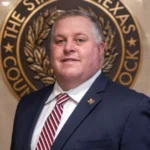
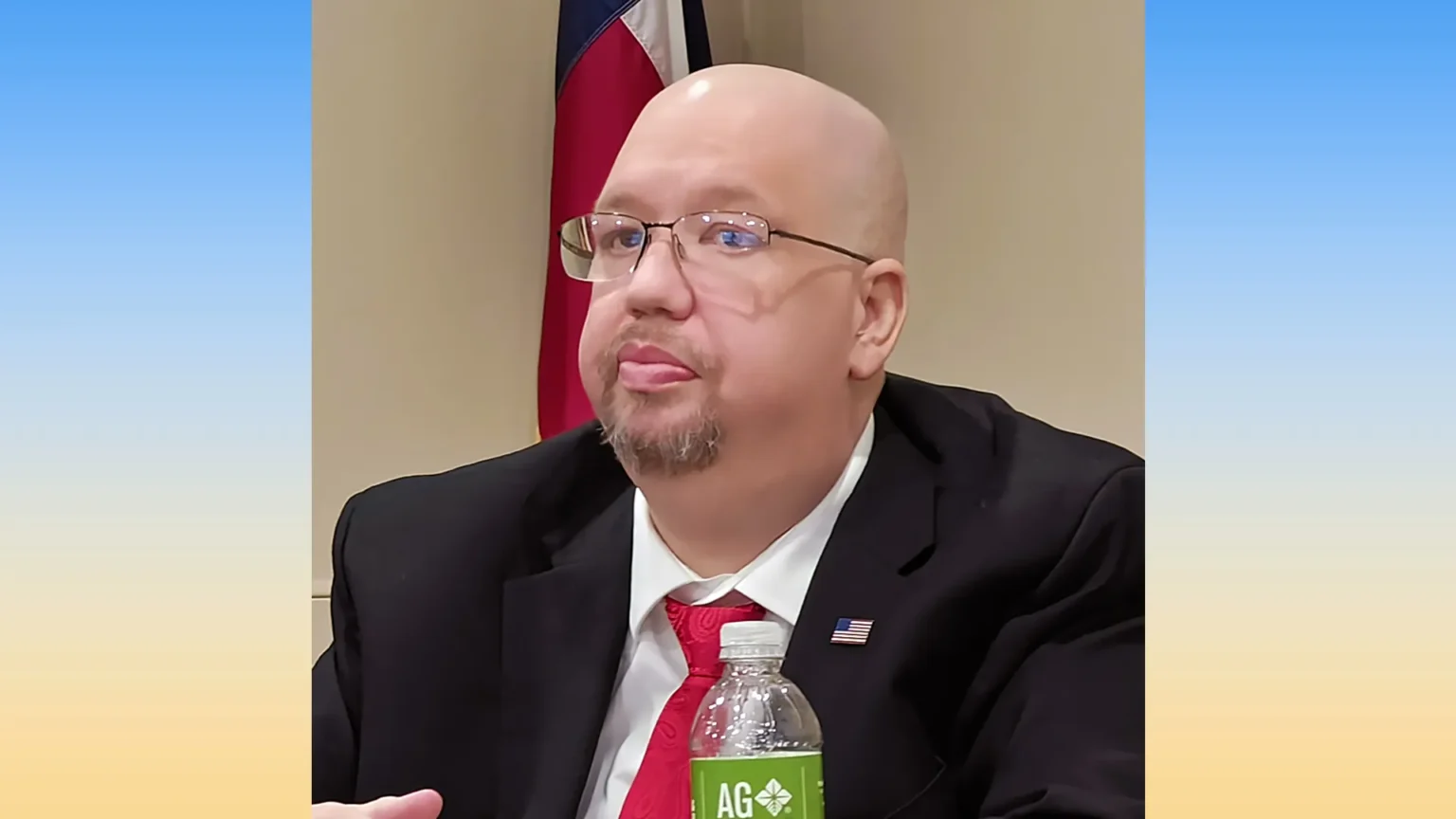
When C.J. Peterson entered the 2026 race for Lubbock County commissioner in Precinct 4, he presented his candidacy as more than an attempt to return to government. It was also the latest chapter in a personal rebuilding process that included leaving elected office, confronting a DWI case, improving his health and developing a private-security company.
Peterson sought the Republican nomination against incumbent Commissioner Jordan Rackler and former Commissioner Chad Seay. The three candidates appeared together on Lubbock County’s official Republican primary ballot.
His campaign centered on experience in law enforcement and business, combined with a willingness to discuss the circumstances surrounding his earlier resignation.
Peterson began serving as a Lubbock County constable in January 2015. Constables are elected peace officers whose responsibilities commonly include serving court documents, providing courtroom security and executing warrants and other orders.
During Peterson’s tenure, the Justice of the Peace and Constables Association of Texas named him its Constable of the Year in 2016. He later moved into private security, creating LBK Defense and building it into a local business.
Those achievements formed part of Peterson’s argument that persistence was one of his defining qualities. He said that throughout his career, people had questioned whether he could succeed. His response, as he described it, was simple: “I outworked everybody.”
Resignation and personal rebuilding
Peterson’s first period in county office ended in 2018. When he announced his commissioner campaign, he publicly addressed the DWI incident that preceded his resignation rather than attempting to avoid the subject.
“In 2018, I got a DWI and it was life changing for me,” Peterson said in a KCBD report about his candidacy.
Peterson also said he weighed approximately 640 pounds at the time. He resigned to concentrate on his health and the security company he had recently started.
The decision created a clear break in his public career. By the time he entered the commissioner’s race in November 2025, Peterson framed the intervening years as a period of accountability, personal change and professional growth.
His campaign did not erase the DWI from his history. Instead, Peterson incorporated it into his explanation of why he believed he was prepared to serve again. He argued that experiencing both professional recognition and significant setbacks had given him a broader understanding of the people county government serves.
That approach distinguished Peterson in a race that included two candidates with previous experience on Commissioners Court. Rackler was the incumbent, while Seay had represented Precinct 4 before him. Peterson’s government experience came from a different part of the county system: law enforcement and the courts.
Public safety and infrastructure
Peterson identified public safety and county infrastructure as his principal campaign concerns. He argued that the county needed to adequately support law enforcement, fire protection and other emergency services while preparing roads and facilities for continuing population growth.
In a Precinct 4 candidate questionnaire, Peterson was sharply critical of what he viewed as reductions affecting public safety. He gave Commissioners Court an F on that issue, reflecting his position that law-enforcement funding should be protected during the budget process.
That emphasis aligned with his professional background. Having worked as both an elected constable and a private-security business owner, Peterson portrayed public safety as an operational issue rather than an abstract campaign theme.
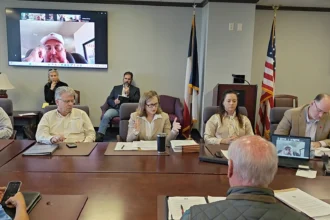
The office he sought has authority extending well beyond law enforcement. Lubbock County explains that Commissioners Court adopts the county budget, sets the tax rate, approves contracts, provides court and jail facilities, maintains county roads and supports services for rural residents. Each commissioner also represents the needs of a particular geographic precinct while voting on policies affecting the entire county.
Peterson argued that his combination of public service and business management would help him evaluate departmental needs, control costs and plan capital projects. He said county leaders needed to distinguish essential services from discretionary spending while ensuring that rapid growth did not overwhelm roads, buildings or emergency-response resources.
His business experience was also part of his case to voters. Running LBK Defense required him to manage personnel, customer relationships and operating costs—skills he maintained could transfer to county budgeting and administration.
Campaign outcome and later death
Peterson did not advance beyond the March 3 primary. Incumbent Jordan Rackler defeated both Peterson and Seay, ending Peterson’s effort to return to elected county government.
Four months later, on July 7, Peterson died at age 48. KCBD reported his death based on information from local law-enforcement sources. A funeral-home memorial identified him by his full name, Carelton Jenson Peterson, and confirmed that he was born October 29, 1977, in Lubbock. No cause of death was provided in those publicly available notices.
Peterson’s final campaign became one more expression of the persistence he frequently discussed. Although voters chose another candidate, his run returned attention to a career that crossed elected law enforcement, private security and local politics—and to his belief that setbacks did not have to represent the end of public service.