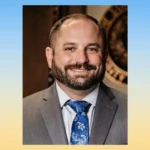


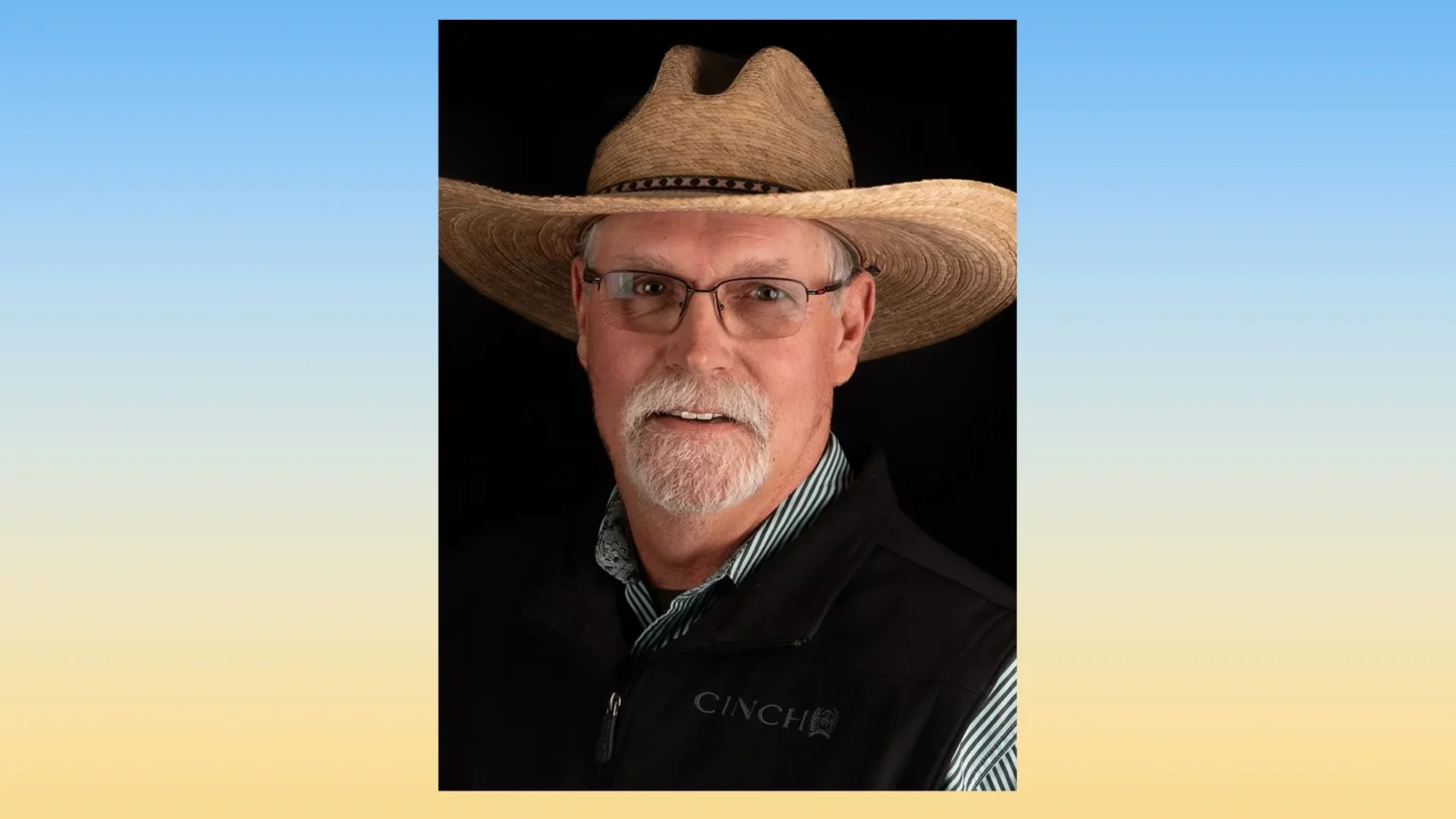
James Bob Barbee entered the 2026 race for Texas’ 19th Congressional District with an unusual campaign promise: He would not ask anyone else to finance his candidacy.
The Hawley businessman promoted his refusal to accept donations as evidence that he would remain independent from wealthy contributors and political organizations. He also separated himself from other Republican candidates by proposing the elimination of federal income taxes and the creation of a government-administered health-insurance option.
Barbee ultimately finished last in the seven-candidate Republican primary, but his campaign raised questions about federal debt, taxation and the government’s role in health care that differed significantly from the standard Republican platform.
Campaign relied on Barbee’s own money
Barbee said he did not create a public fundraising operation and would not accept contributions. Rather than viewing that decision as a political disadvantage, he made it part of his case to voters.
Federal Election Commission records support his claim that the early campaign was self-financed. Barbee’s committee reported receiving $16,000 through Feb. 11, all classified as candidate contributions, with no individual or political-committee donations, according to his FEC financial summary.
Barbee argued that a candidate who did not depend on outside money would be better positioned to place constituents ahead of donors. During a February interview with Lubbock Lights, he described himself as the only candidate in the race without a way for supporters to contribute financially.
His approach left him with far fewer resources than leading candidates such as Tom Sell and Abraham Enriquez, but it reinforced the outsider identity at the center of his campaign.
Small-business and law-enforcement background
Barbee grew up in Hawley, north of Abilene, in a family with extensive ties to law enforcement. His father served as a city marshal and later as a municipal judge. His grandfather and several cousins also worked in law enforcement.
He attended Tarleton State University and Abilene Christian University. Barbee later worked as an electrical supervisor at ACU before starting a fire-alarm business.
The company installed alarm systems in schools, hospitals, nursing homes, restaurants and other commercial buildings. Barbee said the business originally manufactured some of its own systems and obtained Underwriters Laboratories certification before switching to equipment made by other companies.
After more than two decades in business and as he approached retirement, Barbee said he felt obligated to seek office because he had the ability to contribute to the country.
Federal debt was his first priority
Barbee identified the national debt and the government’s annual budget deficit as the most urgent problems facing Congress.
He supported efforts to identify fraud, waste and unnecessary federal spending, including the Trump administration’s Department of Government Efficiency initiative. Barbee said repeatedly raising the debt ceiling without changing spending and revenue policies could eventually threaten benefits for retirees and veterans.
However, spending reductions were only part of his proposal. Barbee also wanted to generate revenue differently by replacing the federal income tax with a national consumption tax.
Under his plan, the federal government would eliminate taxes on wages, Social Security benefits and retirement income. Revenue would instead come from a federal sales tax that Barbee estimated might be between 8% and 10%.
He argued that such a system would distribute the tax burden across a broader population, including visitors and people living in the country without authorization, whenever they purchased taxable goods and services.
The proposal would require far more legislative and financial detail before its effects could be determined. The Congressional Budget Office reported that individual income taxes generated more than half of federal revenue in fiscal 2025, when total receipts reached $5.2 trillion. That means replacing the income-tax system would require a consumption tax capable of generating trillions of dollars each year, as shown in the CBO’s federal revenue analysis.
Questions would also need to be resolved about exemptions, rebates, treatment of business purchases and the effect on lower-income households, which typically spend a larger share of their earnings on necessities.
Government-run health plan with private competition
Barbee’s health-care proposal also placed him outside the position taken by many Republican candidates who favor reducing the federal government’s role in coverage.
He did not propose eliminating private insurance. Instead, he wanted the federal government to offer a Medicare-based insurance plan that Americans younger than 65 could purchase. Existing insurers would continue operating and competing for customers.
Barbee rejected the description of his proposal as universal health care. He characterized it as a public insurance option that would use competition to pressure private insurers to lower premiums.
Under his plan, people younger than 65 would pay premiums, while seniors who had contributed throughout their working lives would receive coverage without additional premiums.
Barbee estimated that premiums paid into the government plan could generate approximately $2 trillion in gross revenue. He acknowledged, however, that the figure did not subtract payments to doctors, hospitals, pharmacies or other providers. No independent actuarial analysis was released during the campaign to show the program’s premiums, benefits or net cost.
In a longer KACU and KTTZ interview, Barbee argued that the plan could also support rural hospitals by changing reimbursement and liability costs.
He suggested using the Justice Department to provide some form of legal backing for participating health-care providers, potentially reducing malpractice-related expenses. The campaign did not release sufficient legal detail to establish how that arrangement would work or how much it would save.
Agriculture, immigration and term limits
Barbee supported President Donald Trump’s tariffs but said farmers should receive automatic assistance when agricultural commodities used in trade negotiations fall below profitable prices.
He opposed federal restrictions on landowners selling property for artificial-intelligence data centers, although he acknowledged that large facilities could strain local water and electricity systems.
On immigration, Barbee backed Trump’s border-enforcement policies and argued that Congress should turn the administration’s executive actions into federal law.
He also signed a U.S. Term Limits pledge supporting a constitutional amendment limiting House members to three terms and senators to two.
Campaign ends with 2.3% of vote
Barbee received 1,826 votes, or approximately 2.3%, in the March 3 Republican primary, according to published election results. Tom Sell and Abraham Enriquez advanced to the runoff, which Sell later won.
Although Barbee’s campaign failed to gain broad electoral support, it stood apart through its self-financing and its willingness to retain—and potentially expand—the federal government’s role in health insurance while eliminating the income-tax system that supplies most federal revenue.