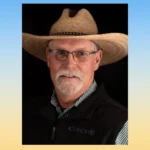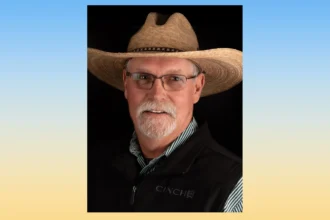


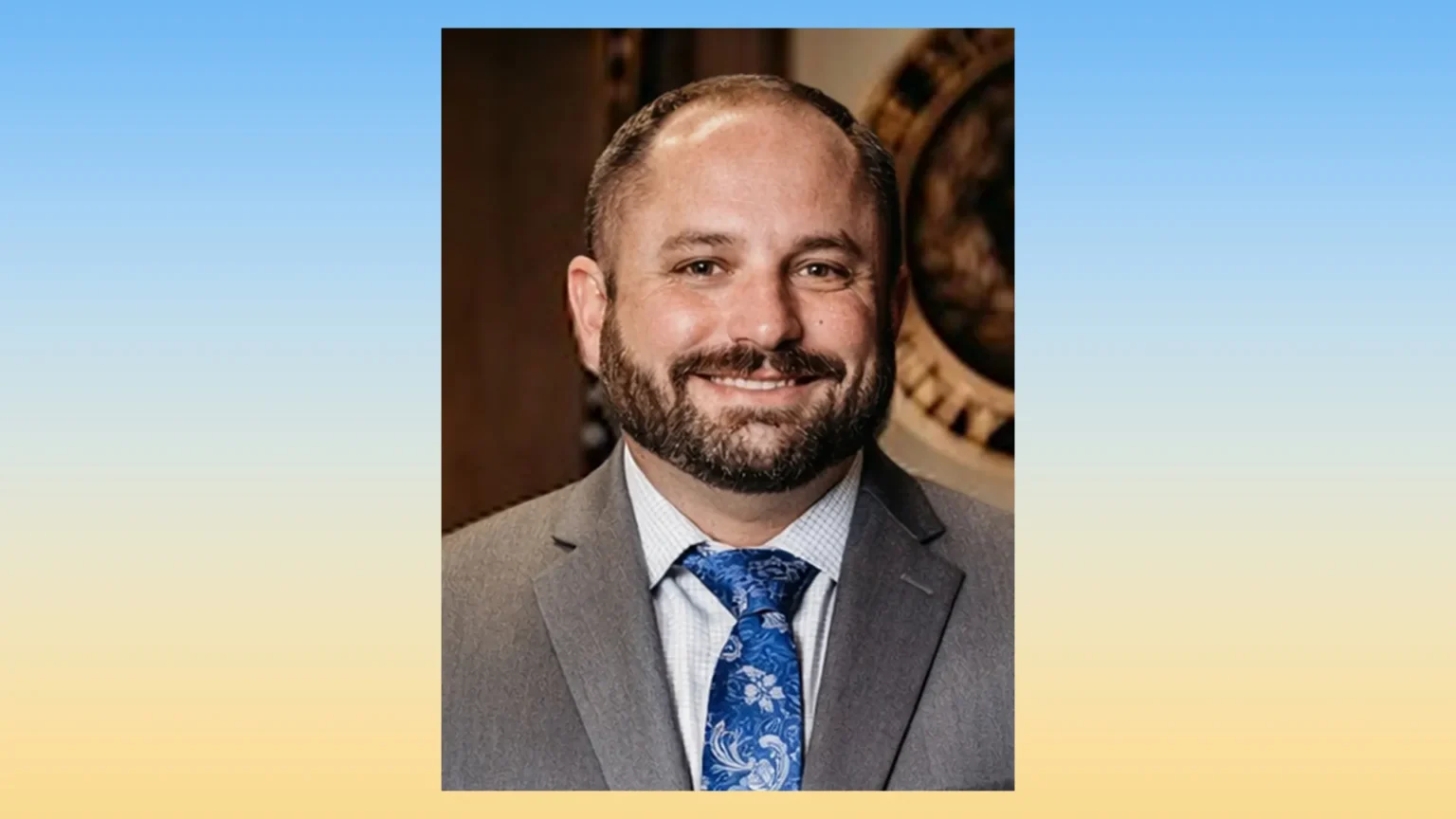
Lubbock County Commissioner Jason Corley made inflation and the influence of lobbyists central themes of his unsuccessful 2026 campaign for Texas’ 19th Congressional District.
Corley argued that Washington policymakers had become too responsive to large companies, lobbyists and campaign donors—and not responsive enough to the families, farmers and small businesses absorbing higher costs.
“No one should be able to buy a congressman,” Corley said while discussing the relationship between lobbying, campaign contributions and federal policy.
The Republican entered the race with a background in the oil and gas industry and experience in county government. Corley had represented Precinct 2 on the Lubbock County Commissioners Court since 2019, according to KACU’s candidate profile.
He presented that record as evidence that he was willing to challenge other elected officials. Corley pointed to his involvement in county budget disputes, including walkouts intended to prevent tax increases, as well as his support for regulations governing game rooms and the creation of a local medical examiner’s office.
Lobbying reform and corporate influence
Corley’s criticism of lobbying was particularly prominent when he discussed agriculture. He argued that large meatpacking companies, agricultural suppliers and other well-funded interests had gained an advantage over independent producers because they could employ lobbyists and make political contributions.
In a February interview with KTTZ, Corley questioned whether federal agricultural policy—and the Farm Bill in particular—primarily benefited working farmers or the companies selling them equipment, seed, fertilizer and other necessities.
He called for changes that would make it less expensive for new farmers and ranchers to enter the industry. He also opposed policies he believed encouraged consolidation and made it more difficult for smaller producers and processors to compete.
Corley did not release a detailed legislative proposal establishing exactly how he would restrict lobbying or campaign contributions. His broader position was that Congress should reduce the ability of large donors and industry organizations to shape legislation for their own benefit.
Federal Election Commission records show that Corley’s campaign reported approximately $41,661 in receipts through March 25, including about $36,690 from individual contributors and approximately $4,871 from the candidate. It reported spending the same amount and ending the reporting period without cash on hand.
Corley also signed the U.S. Term Limits congressional pledge, committing to support a constitutional amendment limiting House members to three terms and senators to two. The advocacy organization says its pledge is not a candidate endorsement.
Inflation framed as an affordability crisis
Corley described affordability as the campaign’s leading issue. Rather than focusing on a single economic indicator, he connected inflation to problems affecting people at different stages of life.
For farmers, the pressure came from higher prices for equipment, fuel, fertilizer and other inputs. Younger residents faced difficulty purchasing homes, while parents struggled with college expenses. Seniors, Corley said, were often forced to manage increasing medication costs and limited access to physicians.
His position on tariffs was more qualified than that of candidates who either embraced or rejected them broadly. Corley said some tariffs could protect American production, but acknowledged that duties on imported steel could raise costs for oil and gas companies. He suggested that a general tariff of roughly 10% could be reasonable while arguing that the effects should be evaluated industry by industry.
Corley also linked affordability to energy policy. When asked about the rapid development of data centers, he said such projects could expand the tax base and create jobs but would require careful planning for electricity and water use.
He expressed support for power generation using natural gas—including gas that might otherwise be flared—as well as nuclear energy. He also suggested changing utility regulations so companies generating electricity for large projects could place excess power onto the broader grid.
Rural healthcare and agricultural policy
Corley proposed different federal regulatory standards for rural hospitals and major metropolitan medical centers. He argued that small hospitals should not face identical billing, staffing and reporting requirements when they serve smaller populations and operate with fewer resources.
On agricultural policy, he supported giving producers more flexibility to graze cattle on land enrolled in the federal Conservation Reserve Program. He also said Congress should examine whether Farm Bill programs were helping family farms remain financially viable or primarily channeling money toward large suppliers and corporations.
Those positions reflected Corley’s attempt to campaign across a district covering 33 counties and encompassing oil and gas production, agriculture and a large number of rural communities.
Campaign ended in fourth-place primary finish
Corley’s campaign did not advance beyond the March Republican primary. He received 8,123 votes, or approximately 10.4%, placing fourth in the seven-candidate field, according to published primary results.
Tom Sell and Abraham Enriquez advanced to the May runoff after finishing first and second. Sell won the runoff, becoming the Republican nominee in the heavily Republican district.
Although Corley’s congressional bid ended, it distinguished him from the field by tying the cost-of-living debate to a broader argument about political influence: Federal policy, he maintained, would not work effectively for ordinary residents until lawmakers became less dependent on powerful industries and their lobbyists.