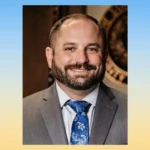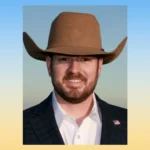


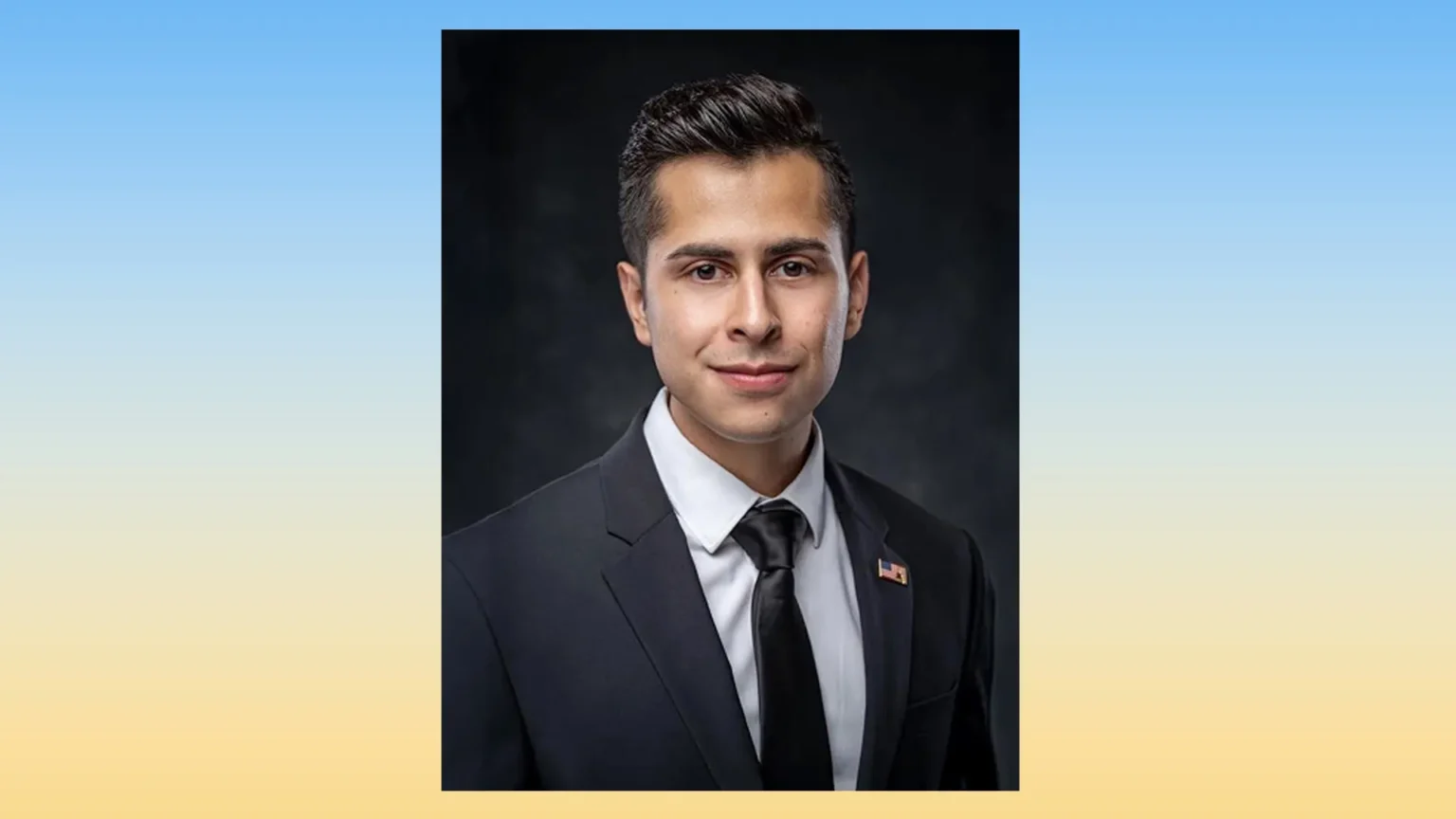
Abraham Enriquez presented his family’s journey from migrant farm labor to a congressional campaign as evidence that the American dream remained possible in West Texas.
Enriquez, a Lubbock native and first-time candidate, sought the Republican nomination for Texas’ 19th Congressional District after Rep. Jodey Arrington announced he would not seek another term. Although Enriquez advanced from a seven-candidate primary to a runoff, his campaign ended with a loss to Lubbock businessman Tom Sell in May.
At the center of Enriquez’s campaign was the story of his grandparents, who came to West Texas as agricultural workers. He said they harvested cotton, grapes and cantaloupes on the same land he later hoped to represent in Congress.
“That’s the American dream that’s alive in our district,” Enriquez said in a KCBD interview following the primary.
From Lubbock to conservative organizing
Enriquez was born and raised in Lubbock, attended Monterey High School and graduated from Abilene Christian University in 2018 with degrees in political science and Spanish, according to his original Lubbock Lights candidate profile.
After returning to Lubbock, he founded Bienvenido, a conservative organization focused on outreach to Hispanic voters. Enriquez said the organization began with small events involving pastors and business leaders before expanding into a multistate political operation.
Bienvenido says it helped bring large numbers of Hispanic voters into the Republican coalition and worked with the Trump administration on several policy efforts. Enriquez’s campaign used that experience to argue that he could organize voters beyond the Republican Party’s traditional base.
In a KACU and KTTZ candidate interview, he described himself as a messenger capable of connecting conservative policies with Hispanic communities. During the campaign, he focused outreach on churches, small businesses, younger residents and minority voters.
His national political relationships also became a major part of his campaign. The Texas Tribune reported that Enriquez emphasized his connections to President Donald Trump and highlighted endorsements from Republican leaders, including Gov. Greg Abbott.
Cost of living and economic pressure
Enriquez called the cost of living the leading “kitchen table” concern he encountered while campaigning. He said younger families were delaying home purchases, marriage or children because their earnings had not kept pace with everyday expenses.
His economic platform generally called for reducing federal spending and regulation while expanding domestic energy production. He argued that lower energy costs would affect transportation, food, manufacturing and other household expenses.
Federal campaign-finance records show Enriquez ran one of the better-funded campaigns in the primary. His committee reported approximately $704,000 in total receipts through June 30, including about $599,000 in individual contributions and a $100,000 loan from Enriquez. The campaign reported spending roughly $671,000 and ending the period with about $33,000 available.
Border security and immigration
Enriquez made border security one of his principal policy issues. He advocated turning Trump administration border directives into federal law, arguing that policies based only on executive action could be reversed by a future president.
He distinguished border security from a broader overhaul of the immigration system. His position was that Congress should secure the border first and then pursue bipartisan discussions about legal immigration.
Enriquez connected that position to his own family history. He said his grandparents entered the United States legally through the Bracero program, which allowed Mexican workers to fill temporary agricultural jobs.
He supported considering similar legal worker programs to help West Texas farmers and ranchers meet labor needs. At the same time, he argued that the government should take stronger action against companies employing people who are not legally authorized to work in the country.
Farm Bill and rural healthcare
Enriquez called for restructuring the Farm Bill instead of simply expanding its existing programs. He proposed separating Supplemental Nutrition Assistance Program spending from agricultural provisions and creating incentives directly benefiting smaller farmers.
Among his suggestions was allowing farmers to deduct the full cost of certain equipment purchases more quickly. He also argued that federal agricultural policy should protect domestic producers from foreign competition and give family farms a larger role in writing future legislation.
On healthcare, Enriquez said Congress should seek input directly from rural hospitals and medical providers instead of relying primarily on pharmaceutical companies, lobbyists and consultants. He supported additional investment in rural healthcare, although he did not present a detailed funding plan during the primary campaign.
Data centers, water and infrastructure
The growth of data centers in West Texas was another recurring campaign issue. Enriquez welcomed the investment and potential economic development but raised concerns about electricity, roads and water supplies.
He said federal and state officials should work together on infrastructure and water planning before communities fully committed to additional large-scale projects. During the runoff, he said West Texas should participate in the competition to develop artificial intelligence infrastructure, but that developers must remain accountable to residents.
Enriquez also supported congressional term limits, contending that lawmakers would work with greater urgency if their time in Washington were restricted. He did not specify an exact number of House terms he considered appropriate.
Runoff campaign falls short
Enriquez placed second in the March primary and advanced to a May 26 runoff against Sell. His grassroots campaigning and conservative endorsements were not enough to overcome Sell’s support from agricultural groups, former primary opponents and established West Texas Republicans.
According to the Texas secretary of state’s official results, Sell received 32,239 votes, while Enriquez received 17,932. That gave Sell approximately 64.3% of the vote and Enriquez 35.7%.
Sell consequently became the Republican nominee and advanced to the November general election against Democrat Kyle Rable.
Enriquez’s campaign did not result in public office, but it elevated a first-time candidate from Lubbock into the final stage of the Republican contest. His appeal rested on the argument that his family’s transformation—from agricultural workers to a congressional contender within two generations—represented the opportunity he wanted federal policy to preserve.