

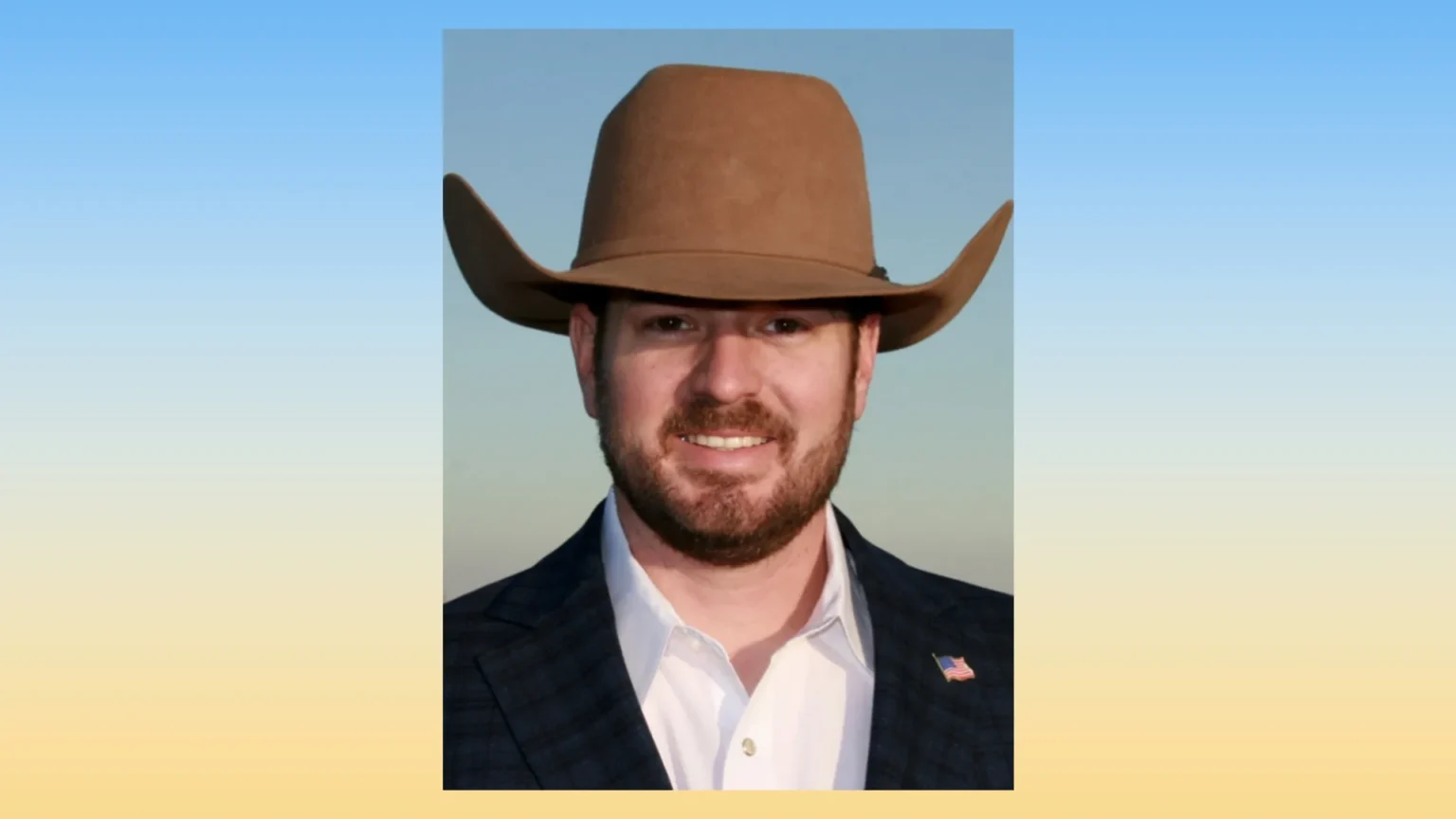
Ryan Zink did not distance himself from his involvement in the events of January 6, 2021, while running for Texas’ 19th Congressional District. Instead, he made his prosecution—and his contention that the federal case was unfair—a central argument for electing him.
Zink, a Lubbock resident who works in oil-field safety, was one of seven Republicans seeking the seat being vacated by Rep. Jodey Arrington. He told voters that his experience with the federal justice system proved he was “not willing to back down” when confronting government institutions.
His campaign, however, failed to gain significant support. Zink finished sixth in the March 2026 Republican primary with 1,998 votes, or 2.6%.
What court records established
Zink traveled to Washington with his father, Jeff Zink, who was then a congressional candidate in Arizona. Ryan Zink said they expected Congress to contest electoral votes from Arizona and return the presidential election decision to the states.
Zink maintained that he did not enter the Capitol, assault anyone or damage property. The available record supports his statement that he remained outside the building, but a jury found that he knowingly entered restricted Capitol grounds and engaged in disorderly or disruptive conduct there.
According to the Justice Department’s account of the trial evidence, Zink crossed into the restricted area after other participants breached police barricades. He moved across the east plaza and climbed the steps of the Capitol’s Central East Portico.
Videos introduced at trial showed Zink announcing that the crowd had knocked down the gates and was storming the Capitol. He also filmed the surrounding crowd and participated in chants supporting Donald Trump.
A federal jury convicted Zink in September 2023 of obstructing an official proceeding, a felony, and two misdemeanor offenses: entering or remaining in restricted grounds and engaging in disorderly or disruptive conduct there.
The felony conviction was later dismissed after the Supreme Court narrowed how prosecutors could apply the obstruction statute. In its June 2024 decision in Fischer v. United States, the court held that prosecutors generally had to show interference with records, documents or other objects used in an official proceeding.
Zink was subsequently sentenced on the two misdemeanor convictions to three months in jail, one year of supervised release, 50 hours of community service and $500 in restitution.
Pardon did not end Zink’s criticism
President Trump granted Zink a full pardon in January 2025 as part of a broader clemency action covering nearly all defendants charged with January 6-related offenses. The White House proclamation described the prosecutions as a national injustice and directed the Justice Department to dismiss remaining cases.
The pardon relieved Zink of the remaining legal consequences of his convictions. It did not constitute a court finding that the evidence was false or that his trial had violated his rights.
Zink nevertheless argued during the campaign that a Washington jury could not fairly judge January 6 defendants. He said his experience left him convinced that constitutional protections could be disregarded by federal officials.
The original Lubbock Lights profile presented Zink’s January 6 case as the primary motivation for his campaign. He also called for the public release of all government video from the Capitol that day.
Election rules and border security
Zink identified election policy as one of his leading legislative priorities. He supported the Safeguard American Voter Eligibility Act, commonly known as the SAVE Act, which would require documentary proof of U.S. citizenship when registering to vote in federal elections.
Supporters say the requirement would strengthen confidence that only citizens participate in federal elections. Opponents argue it could create obstacles for eligible voters who lack immediate access to passports, birth certificates or documents matching their current legal names.
Zink connected election policy with border enforcement. He supported Immigration and Customs Enforcement operations and said people who entered the country without proper vetting should be returned to their countries of origin.
He also wanted Congress to convert a number of Trump’s executive actions into federal law so they could not be easily reversed by a future president.
Spending, veterans and agriculture
Zink called for substantial reductions in federal spending and said the government should eliminate programs that were not essential. He opposed sending money abroad while the United States continued accumulating debt and paying rising interest costs.
For veterans, Zink supported the Major Richard Star Act, legislation intended to allow more medically retired service members to receive full military retirement pay and disability compensation without an offset reducing one of the benefits.
Agriculture became another prominent part of his platform. At a February Republican candidate forum, Zink called for restructuring the Farm Bill so that a larger share of its spending would directly benefit farmers rather than nutrition programs or large agricultural companies.
He promised to maintain contact with counties across the geographically large district and described himself as someone who would confront Washington before returning home to report to voters.
Federal Election Commission records show that Zink’s campaign reported approximately $53,825 in receipts through March 31. All reported contributions came from individuals, and the campaign listed no candidate loans or contributions from political committees.
Campaign ends with sixth-place finish
Zink’s January 6 history gave him a distinctive message, but it did not translate into broad electoral support. He received 1,998 votes in the March 3 primary, according to published Texas primary results.
Only James Barbee finished behind him. Tom Sell and Abraham Enriquez advanced to the Republican runoff, which Sell later won.
Zink’s campaign ultimately became a test of whether a candidate could transform a January 6 conviction and subsequent pardon into a political credential. In the District 19 primary, most Republican voters chose candidates whose campaigns emphasized agriculture, economic policy or conservative organizing rather than a personal dispute with the federal justice system.